

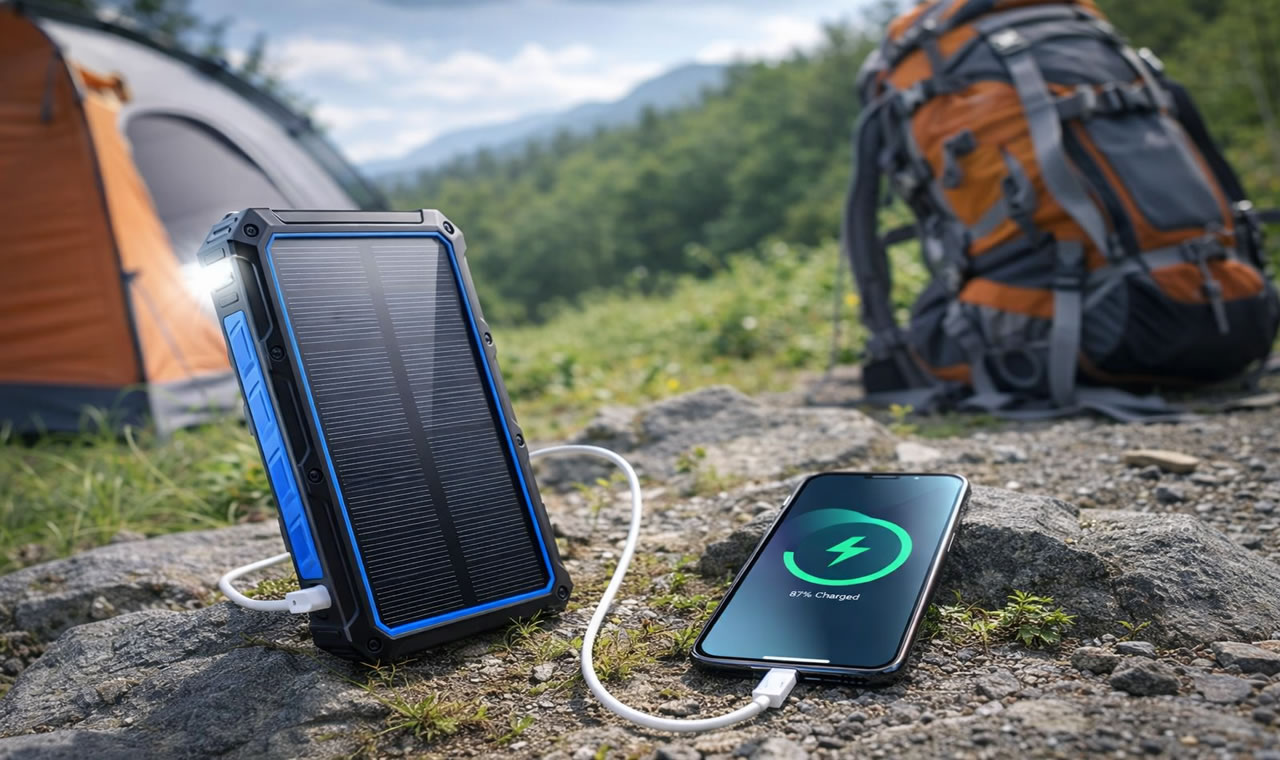
When customers buy solar charging gear for camping, events, or emergency kits, they expect it to “charge from the sun” in a short time. A solar powered power bank can help outdoors, but only when buyers set the right expectations and match the product format to real use. In this guide, you’ll get a clear way to compare models, write better specs, and select a lineup that performs well in the field and in retail feedback.
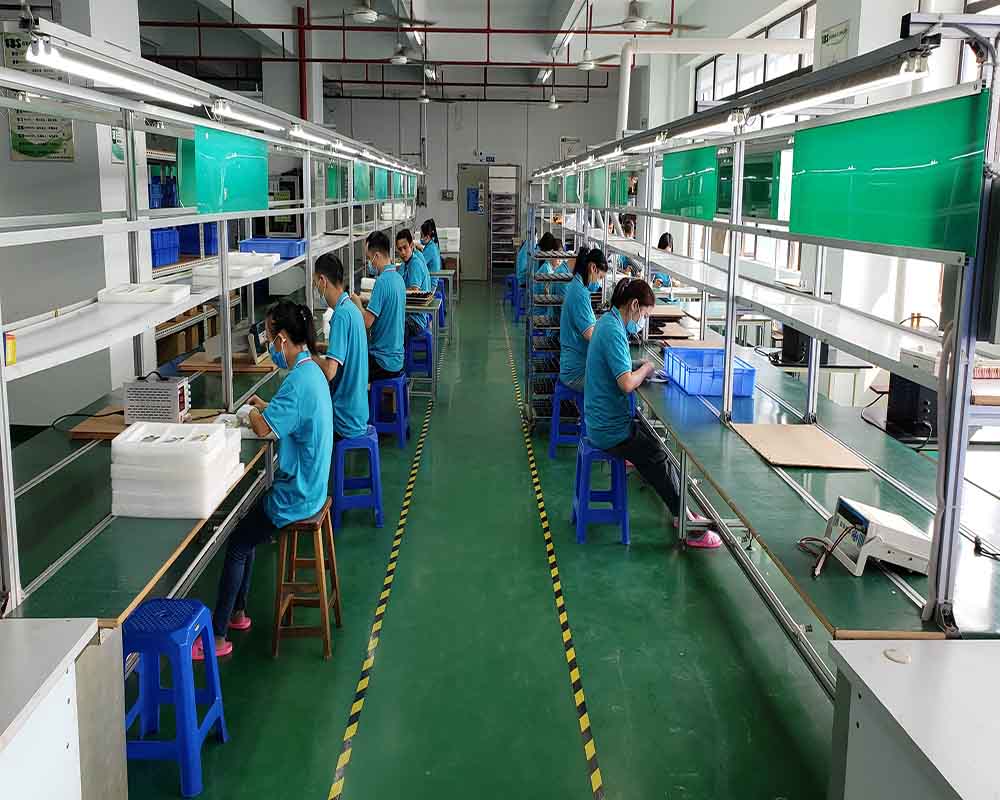
Shenzhen Hedeli Technology Co., Ltd. has been in mobile accessories and consumer electronics for about 10 years. Our categories include power banks, TWS earbuds, Bluetooth speakers, USB chargers, USB cables, car chargers, and car phone holders. With over 100 employees, headquarters in Shenzhen, and an office/showroom in Guangzhou, our Dongguan factory supports a monthly capacity around 50,000 units for importers, distributors, and wholesalers.
Why outdoor buyers keep asking for solar charging
Outdoor customers usually have one simple fear: “What happens when the wall outlet is gone?” Procurement teams see this request in several channels:
-
Camping and hiking retailers (seasonal demand spikes)
-
Emergency preparedness programs (bulk orders, steady demand)
-
Event operators (charging stations + resale)
-
Travel and outdoor e-commerce (high returns if expectations are off)
A solar power bank works best when it’s treated as backup energy storage first, with solar as a support charging method. That framing reduces complaints and improves star ratings.
The common purchase drivers (what end users value)
-
Battery capacity that matches trip length (not just a big number on the box)
-
Fast wired charging for daily use, plus solar as a safety net
-
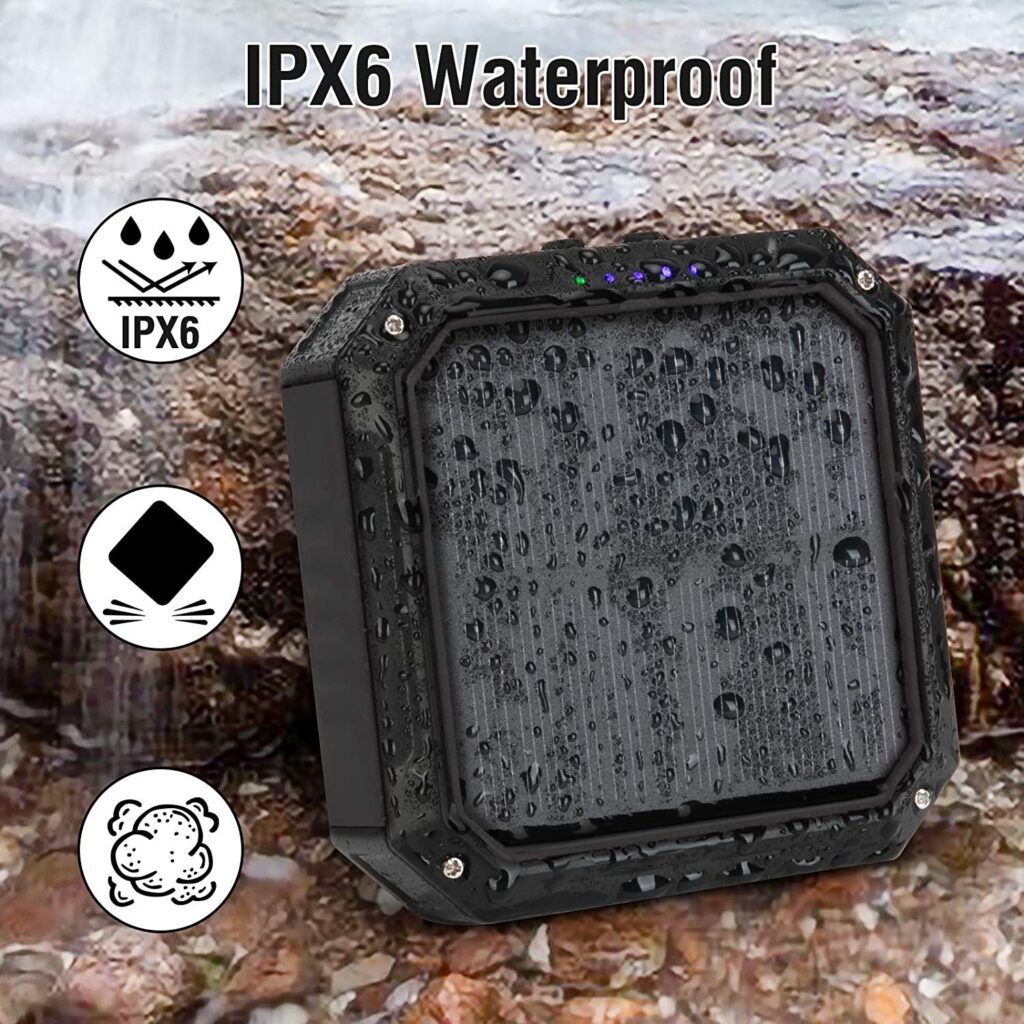
Rugged design: corner protection, sealed ports, stable buttons
-
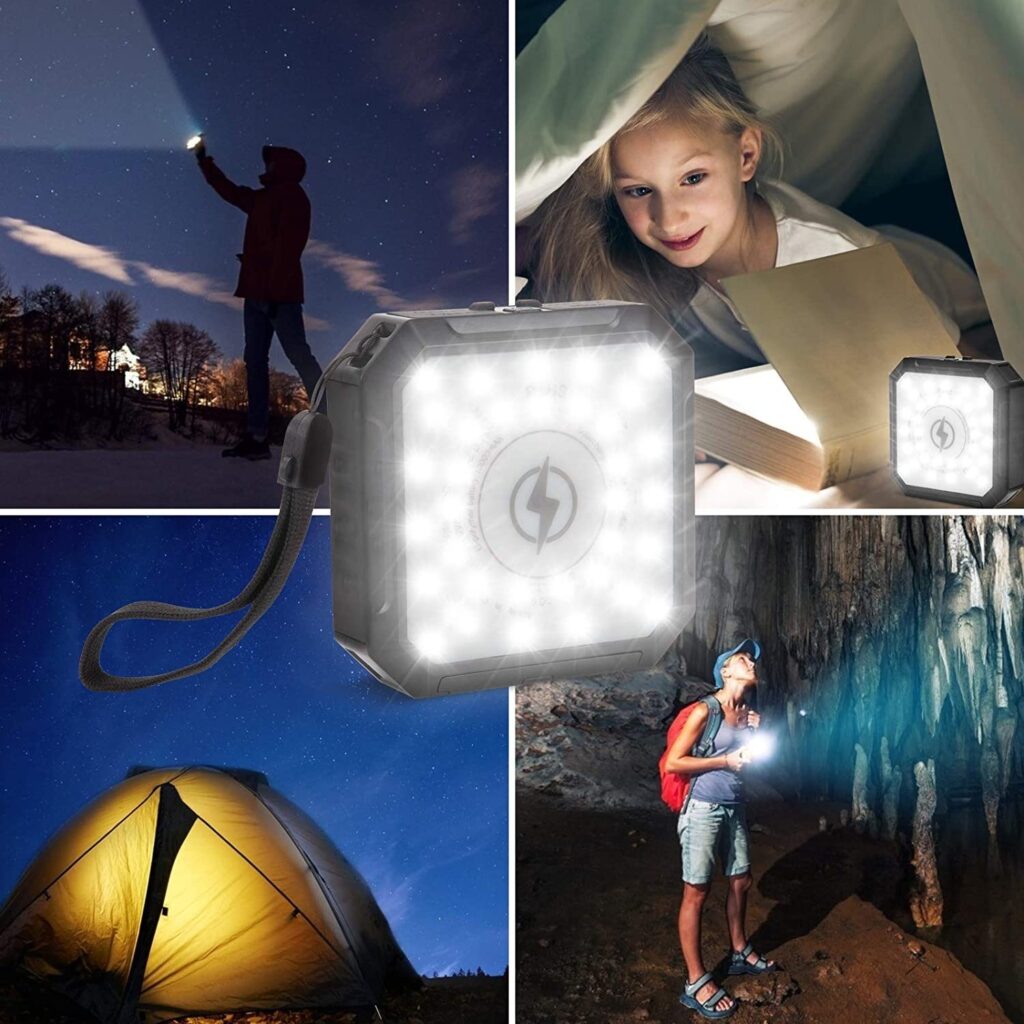
Extra utility: flashlight modes, carabiner loop, cable storage
-
Easy compatibility: USB-A + USB-C, and optional wireless charging for Qi devices
How a solar powered power bank works outdoors (and what it can’t do)
A solar panel built into a power bank is small. That means it collects limited energy per hour, even in strong sun. In real use, most people recharge the power bank from a wall charger first, then use solar to extend runtime during a trip.
The two “solar” formats you’ll see
-
Panel-on-body power banks
-
Solar panel is built into the case
-
Best for slow top-ups and emergency support
-
Easy to carry and sell as a single item
-
-
Foldable panel + power bank style
-
A larger foldable panel feeds energy faster
-
Better for multi-day trips and basecamp use
-
Usually higher cost, larger packaging footprint
-
Why solar feels slow to end users
Solar charging depends on:
-
Sun angle and cloud cover
-
Panel size and panel efficiency
-
Heat (very high surface temps reduce output)
-
Whether the product is shaded by straps, clothing, or tents
For most buyers, the best message is: solar helps you stay alive longer, not “fully recharge in a few hours.”
Wireless charging and outdoor use
Wireless charging is popular for convenience, but it wastes some energy as heat and usually charges more slowly than a cable. If you include it, it’s best as a secondary option, especially for short top-ups. Qi certification language is widely recognized in the market, and Qi2 is an important trend for newer devices .
A practical way to explain solar to customers
If your packaging and listings say something like this, returns tend to drop:
-
“Charge by cable first for full speed.”
-
“Use solar for emergency support and slow top-ups.”
-
“Best results in direct sunlight with panel facing the sun.”
Outdoor use scenarios that guide the right spec
Different outdoor customers use power banks differently. Procurement teams do well when they segment by scenario instead of trying to cover everything with one SKU.
Scenario 1: Day hikes and weekend trips
Priorities:
-
10,000–20,000mAh class
-
Light weight and pocket-friendly shape
-
USB-C input for easier recharging
-
Basic water resistance for rain and splashes
Scenario 2: Multi-day camping and basecamp
Priorities:
-
20,000–30,000mAh class
-
Multiple outputs (charge phone + light + earbuds)
-
Strong flashlight modes and battery indicator
-
Better sealing around ports
Scenario 3: Emergency kits for home, fleet, or institutions
Priorities:
-
Simple user instructions
-
Stable long-term storage behavior
-
Clear documentation set (UN38.3, MSDS, labeling)
-
Packaging designed for non-technical users
Scenario 4: Marine, fishing, and wet environments
Priorities:
-
Higher ingress protection targets (IP claims must match test plans)
-
Corrosion-resistant port covers and hardware
-
Lanyard/carabiner attachment
-
Bright SOS strobe options
Quick comparison table: matching use case to spec
| Use case | Typical capacity range | Key outputs | Durability focus | Add-ons that sell |
|---|---|---|---|---|
| Day hike | 10k–20k | USB-A + USB-C | Drop corners, port cover | Carabiner, LED |
| Multi-day camp | 20k–30k | Multi-port | Better sealing | Strong flashlight |
| Emergency kits | 20k–30k | Simple, reliable | Labeling + docs | Easy guide card |
| Wet environments | 20k–30k+ | Sealed ports | IP plan + materials | SOS modes |
Specs buyers should compare (without getting lost)
A spec sheet can look impressive and still disappoint outdoors. Here’s a buyer-friendly way to compare products that keeps performance and returns in mind.
1) Capacity: rated vs usable
Capacity is often shown as a big number (mAh). In real life, usable energy is lower due to voltage conversion and heat. For procurement, what matters is consistency and honest labeling.
Tip for product managers: If a model is marketed with “standard” capacity vs “actual” capacity, make that difference clear in your sales materials to reduce complaints. (Some listings show both formats, depending on market expectations.)
2) Input/output ports and charging protocols
Most complaints come from slow charging. Two things help:
-
USB-C input (easier cable compatibility)
-
Higher output current support where devices allow it
USB Power Delivery (USB PD) is a recognized standard for negotiating power over USB-C, and the USB-IF positions PD as a key charging technology (including much higher wattage ceilings across the ecosystem) . Your solar models may not target laptop-level wattage, but buyers still like PD language when it matches the product design.
3) Wireless charging claims (Qi)
If you include wireless charging:
-
List the wattage clearly (example: 5W / 10W / 15W depending on design)
-
Avoid “fast wireless” wording unless you can support it consistently
-
Consider Qi ecosystem expectations and certification language
4) Solar panel power and material
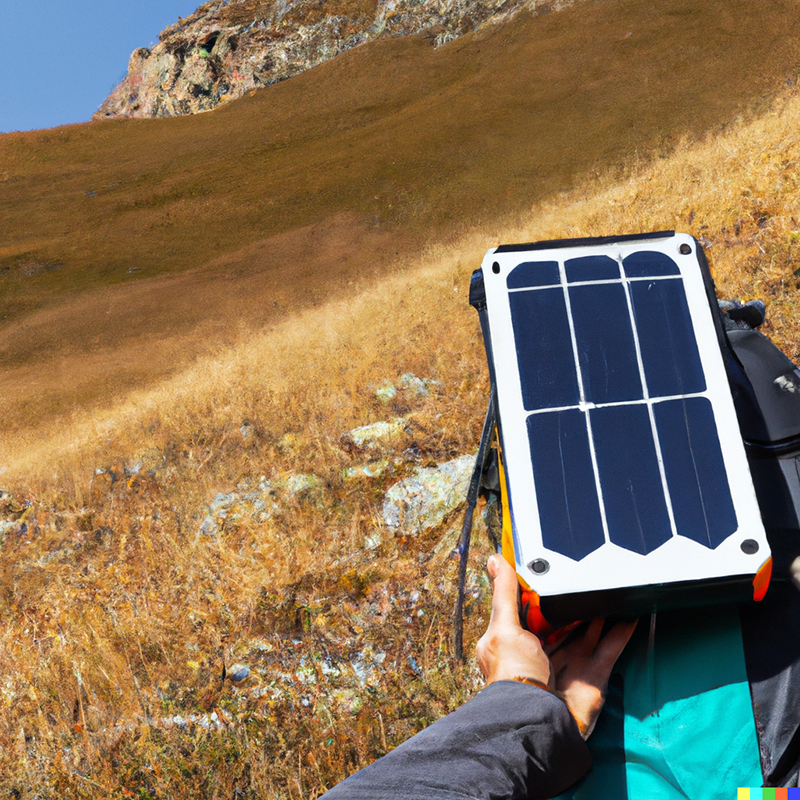
Many product pages show solar power as a small watt value (example: around 0.8W–1.5W for compact designs). That’s normal for panel-on-body products. Larger or multi-panel foldable designs can raise input, but they also raise size and cost.
5) Water and dust protection (IP ratings)
If you sell into wet or dusty environments, IP language must be treated carefully. IEC explains IP ratings as a system to grade enclosure resistance to dust and water intrusion, tied to IEC 60529 .
Procurement note: If your supplier says “IP65” or “IPX4,” ask what test standard and lab plan supports that claim.
6) Materials, safety, and heat behavior
Outdoor gear gets hot in the sun. That affects:
-
Battery temperature
-
Solar panel output
-
User comfort holding the product
Design details that help:
-
Light-colored shells (in some markets)
-
Venting design choices that don’t compromise sealing
-
Stable port covers and strain relief on cables
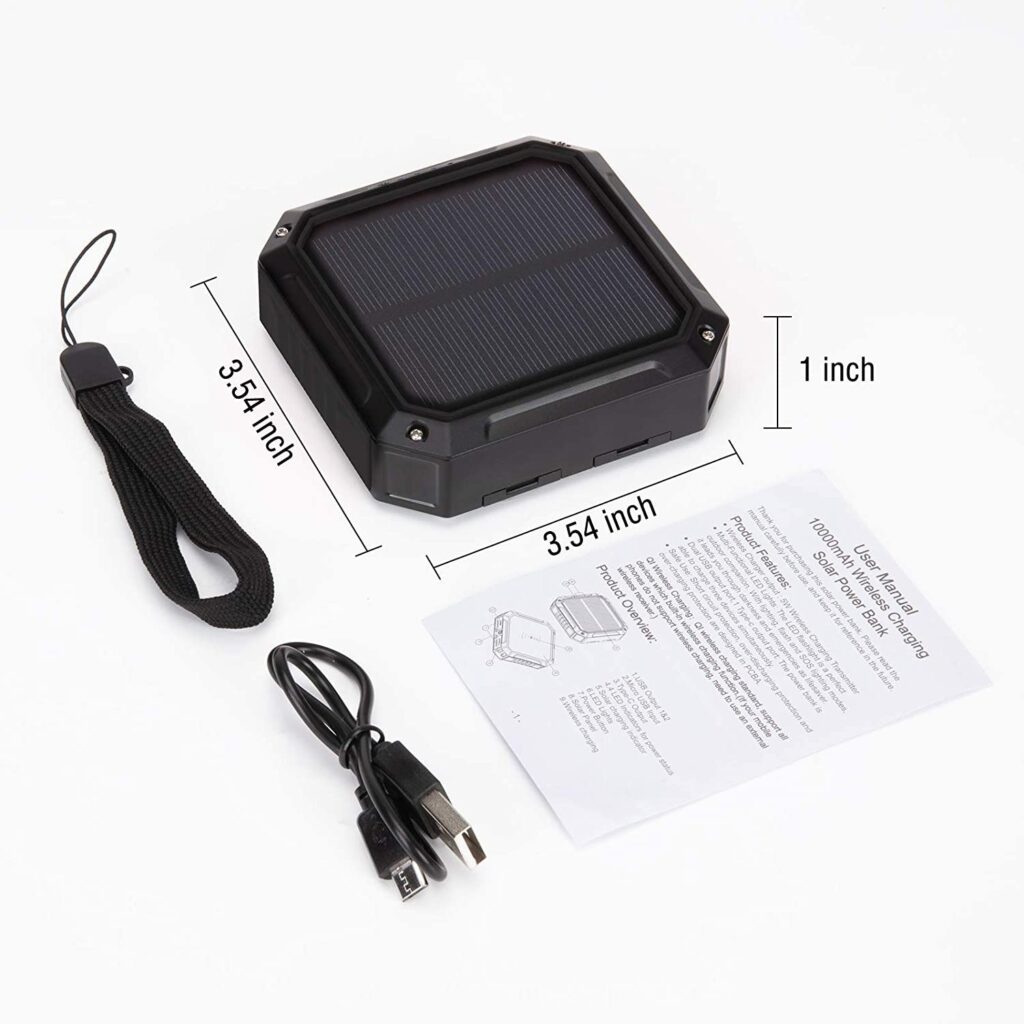
Comparing product formats with two simple tables
Table 1: Panel-on-body vs foldable panel kits
| Format | What it’s good for | What to watch | Who buys it |
|---|---|---|---|
| Panel-on-body solar power bank | Emergency support, everyday carry | Slow solar refill, small panel | Outdoor retail, mass market |
| Foldable panel + bank | Basecamp, longer trips | Bigger packaging, higher cost | Camping specialty, institutions |
Table 2: Capacity bands buyers often stock
| Label range | Typical buyer goal | Good add-ons |
|---|---|---|
| 10,000mAh | Entry price, light carry | Carabiner, LED |
| 20,000mAh | Core outdoor SKU | Multi-ports, better sealing |
| 30,000mAh+ | Heavy-use / kits | Built-in cables, strong light |
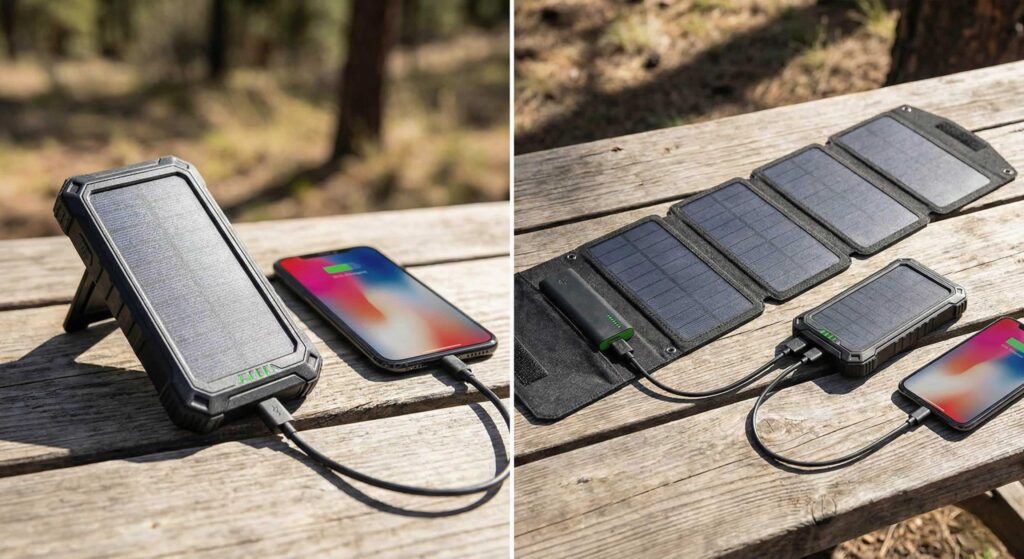
How to specify a solar powered power bank for wholesale orders
This is where many projects either run smoothly—or turn into repeated revisions. A clear spec pack helps you compare factories and lock pricing.
Start with these 10 items in your RFQ
-
Target capacity band (10k / 20k / 30k+) and whether you require rated vs typical capacity clarity
-
Outputs needed (USB-A count, USB-C in/out, wireless yes/no)
-
Target charging speed (example: 5V/3A class where applicable)
-
Solar panel approach (built-in panel only, or foldable add-on)
-
Water resistance target (avoid vague “waterproof”; specify IP test target if required)
-
Flashlight modes (torch, strobe, SOS)
-
Built-in cables (none / 2 / 4) and connector mix
-
Packaging language, icons, and compliance marks
-
Required documents (UN38.3, MSDS, test reports, drop test plan)
-
Branding: logo method, color, tooling, and carton requirements
Common add-ons that reduce customer friction
-
Built-in cable set (removes “wrong cable” complaints)
-
Clear battery percentage display
-
Thick port covers that stay attached to the body
-
Carabiner in standard configuration
Quality checkpoints worth asking your supplier
-
Incoming battery cell controls and aging test plan
-
Button life testing (outdoor users press flashlight buttons often)
-
Port cycling tests (cover open/close cycles)
-
Seal inspection method for port covers and gaskets
Solar power bank lineup examples from Hedelee (outdoor focused)
If you’re building a line for outdoor retail or emergency programs, it helps to stock a few capacity tiers and a few feature tiers, instead of trying to make one model fit everyone.
To browse the full range, use the anchor text Hedelee solar power bank product range
Product
Below are outdoor-oriented options you can link as individual SKUs:
-
Outdoor 10,000mAh solar power bank with wireless charging and strong lighting
-
20,000mAh solar power bank with wireless charging, dual inputs, and flashlight (HDL series)
-
Fast charging 20,000mAh foldable outdoor solar charger power bank with LED lights
-
High capacity 24,000mAh (standard 30,000) solar panels charger with wireless charging (HDL-531)
-
25,000mAh solar charger power bank with dual USB ports, waterproof design
-
New solar panels power bank dual USB 20,000mAh waterproof with LED light (HDL519x)
-
30,000mAh Qi wireless solar charger power bank with USB-C and IP65 claim (HDL528)
-
42,000mAh solar power bank with built-in 4 cables, wireless charging, dual LED flashlight (HDL-628)
-
Waterproof 20,000mAh solar panel power bank with fast charging and LED display
-
24,000mAh (standard 36,000) built-in 4 cables wireless solar power bank IPX4 claim (HDL529)
Some models list detailed feature blocks like solar panel material, solar wattage, and I/O details (example: monocrystalline panel, 5V/3A class outputs, 5W wireless), depending on SKU and market positioning .
A simple lineup table (good for range planning)
| Tier | Capacity class | Feature angle | Best-fit channels |
|---|---|---|---|
| Entry | ~10,000mAh | light carry + basic solar | outdoor retail, travel |
| Core | ~20,000mAh | multi-output + stronger sealing | e-commerce, distributors |
| Feature+ | ~24,000–30,000mAh | built-in cables / wireless / stronger light | kits, outdoor specialty |
| Max | 30,000mAh+ | cable-free convenience + flashlight modes | emergency programs |
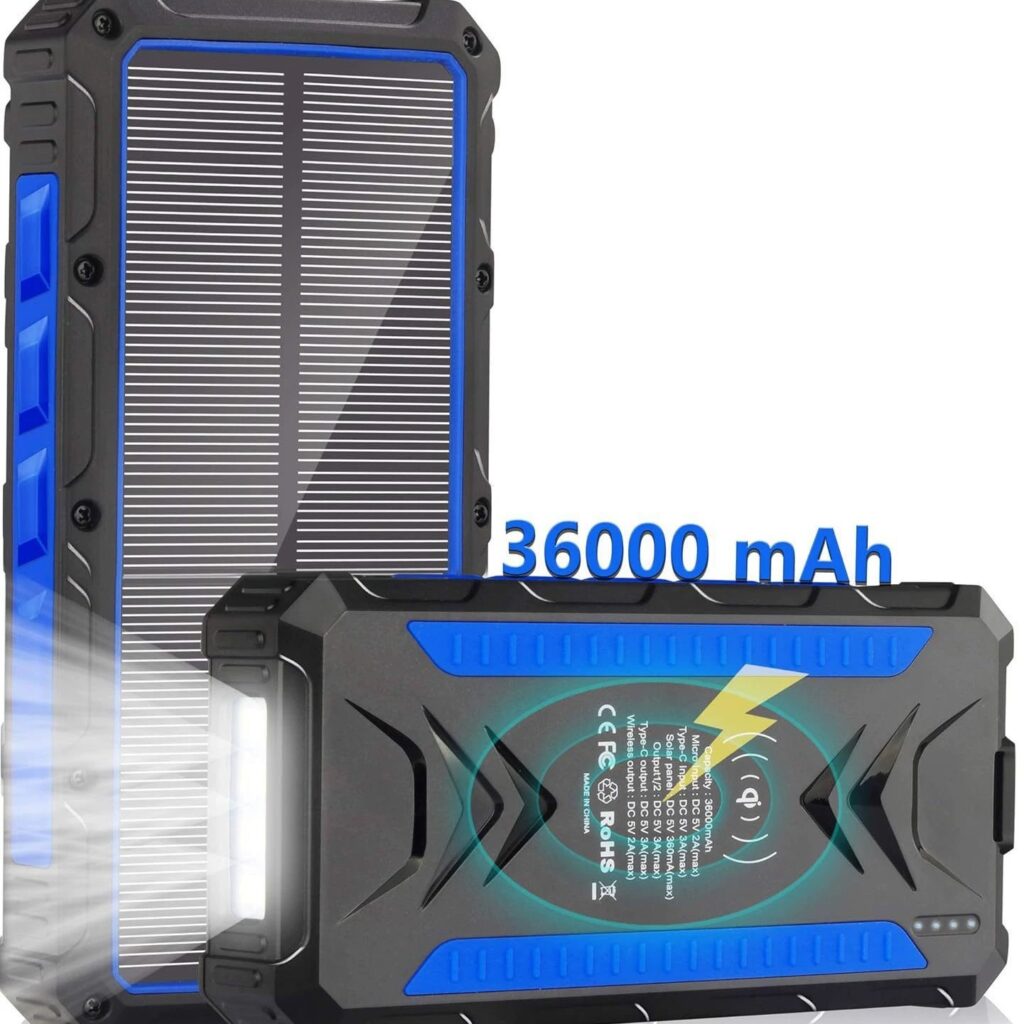
Compliance, testing, and shipping documents buyers request
Outdoor solar power banks are lithium battery products. That means documentation and transport compliance affect lead time, delivery routes, and retailer acceptance.
UN38.3 for lithium battery transport
UN38.3 refers to tests in the UN Manual of Tests and Criteria for lithium cells and batteries used in transport . Many procurement teams ask for:
-
UN38.3 test summary / report
-
MSDS
-
Packing and labeling guidance (varies by route and carrier)
IP claims and test alignment
If your product is marketed with “IPX4” or “IP65,” align:
-
The wording on packaging
-
The actual test plan
-
The markets where you will sell
IEC’s overview of IP ratings helps buyers understand how the code relates to dust and water intrusion resistance .
Practical checklist for your supplier pack
Ask for a document bundle that includes:
-
Product spec sheet (ports, outputs, battery info)
-
Compliance claims list (what is supported vs “marketing only”)
-
UN38.3 + MSDS availability
-
Warranty statement and after-sales process
-
Packaging drawings (units per carton, weights, barcodes)
Field-use guidance that reduces returns and bad reviews
Even a well-built solar charger can get poor reviews if users treat solar as the primary charging method. Many sellers include a small “how to use” card to protect customer satisfaction.
Simple use steps (works well as an insert card)
-
Fully charge the power bank by wall charger before the trip.
-
Use cable charging for fastest phone charging.
-
Use solar charging when outlets are not available.
-
Place the panel in direct sunlight, face it toward the sun, avoid shade.
-
Keep port covers closed when not charging.
Storage and maintenance tips (for emergency kits)
-
Store in a cool, dry place
-
Recharge periodically (many programs schedule quarterly checks)
-
Keep cables and adapters in the same pouch as the bank
A buyer-friendly way to position solar honestly
Use phrases like:
-
“Solar support charging for outdoor backup”
-
“Designed for emergency top-ups”
-
“Best results with direct sun exposure”
That wording tends to match real performance and reduces “doesn’t work” claims that come from unrealistic expectations.
Image for this section
-
Image title: How to use a solar power bank outdoors
-
Image description: A step-by-step style visual showing correct placement in sun and cable charging to a phone
-
SEO file name: how-to-use-solar-powered-power-bank-outdoors.jpg
-
Alt text: How to use a solar powered power bank outdoors with direct sunlight and cable charging
-
AI image prompt: “Instructional photo sequence (3 frames) in one image: (1) power bank charging from wall before trip, (2) power bank in direct sunlight angled toward sun, (3) phone charging via USB-C cable, clean realistic photography, clear composition”
Sourcing support from the manufacturer side
When buyers come to the factory early with clear targets, it becomes much easier to hit pricing and delivery requirements. If you share your target market, preferred capacity tier, output requirements (USB-C in/out, wireless), water resistance target, and packaging plan, our team can recommend the most suitable models and prepare a spec-and-quote package.
Shenzhen Hedeli Technology Co., Ltd. supports a wide mobile accessory range (power banks, chargers, cables, audio, car accessories), with engineering and production coordination across Shenzhen, Guangzhou, and Dongguan. For solar power bank projects, we can also align branding, packaging, and documentation so your product pages and cartons match what your customers will see and test in real outdoor conditions.
Frequently Asked Questions
1. What is your typical minimum order quantity?
MOQ depends on the model and branding requirements. Reach out for the exact MOQ by SKU and packaging plan, and we can suggest the best fit.
2. Can you add our logo and custom packaging?
Yes, logo printing and retail packaging customization are available. Contact us to request dielines, printing options, and packaging samples.
3. What compliance documents can you provide?
Common requests include UN38.3 and MSDS, plus product specs and supported test reports. Reach out for the document set that matches your destination market.
4. How long does sampling and production take?
Sample timing depends on whether you need new packaging or color changes. Reach out with your target SKU list and we’ll confirm sample and mass production schedules.
5. Do you offer models with built-in cables or wireless charging?
Yes, several outdoor models offer built-in cables and wireless charging options. Reach out for detailed specifications and recommended SKUs by your sales channel.