

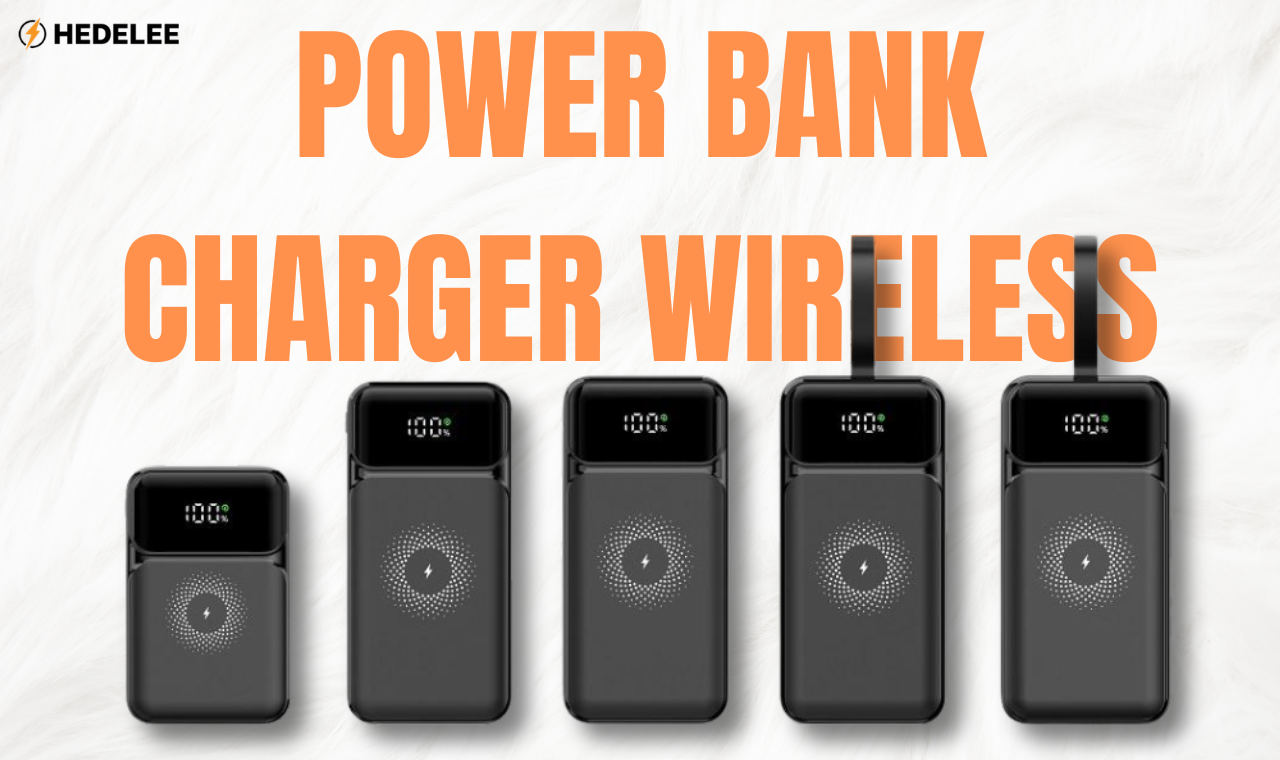
Your phone battery hits 8% right before a client call. You grab your cable only to find it tangled, damaged, or simply missing. This daily frustration is exactly why the power bank charger wireless has become essential in 2026.
Yet not all wireless power banks are equal. Some charge slowly. Some overheat. Others fail after a few months of heavy use. Choosing the wrong model can cost you returns, complaints, and lost trust. This guide explains how to evaluate, compare, and select the right wireless power solution for retail, wholesale, or distribution needs.
What Is a Power Bank Charger Wireless?
A wireless power bank is a portable battery pack designed to charge devices without the need for a physical USB cable connecting the battery to your phone. It utilizes Qi (pronounced “chee”) wireless charging technology, the industry standard used by most modern smartphones (including iPhones and Samsung Galaxy devices).
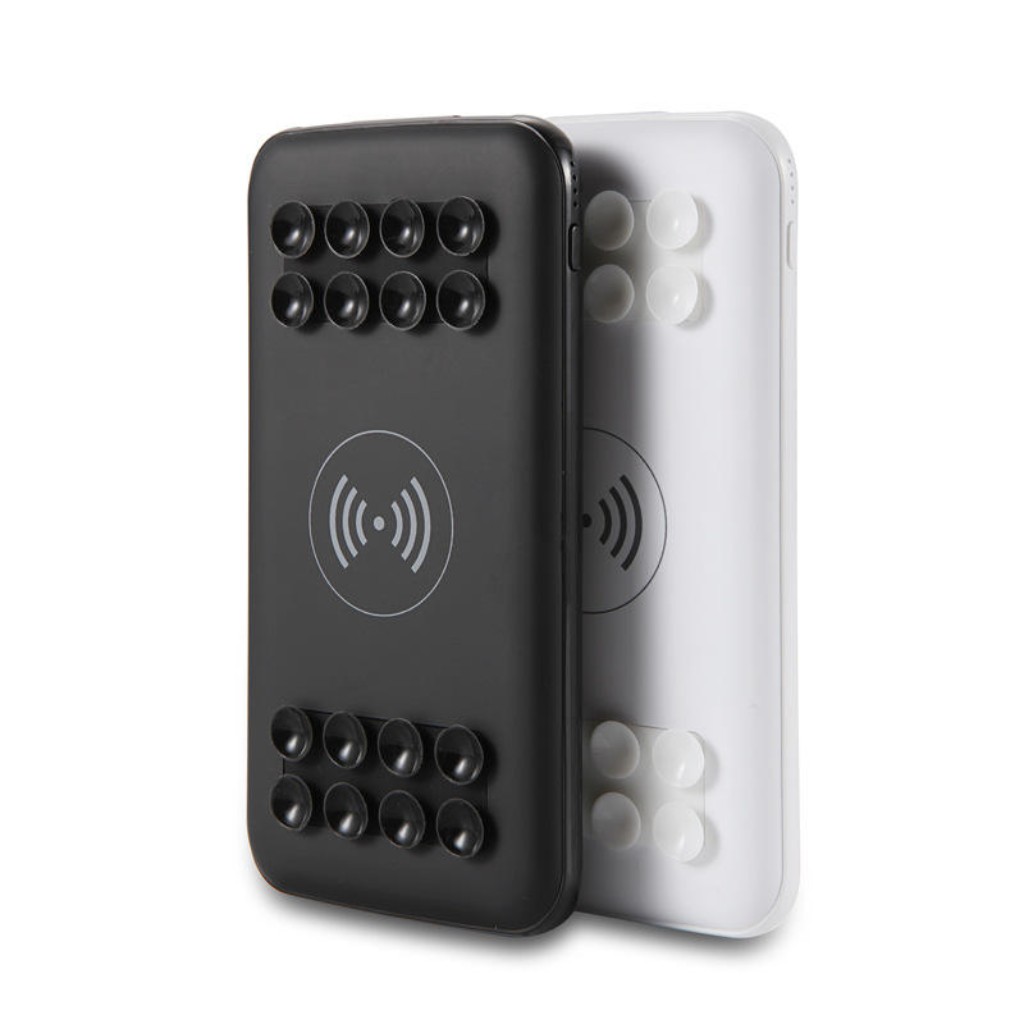
How Does Wireless Charging Work?
Instead of plugging a cord into your phone’s charging port, you simply place your phone directly onto the charging surface of the power bank. Through a process called electromagnetic induction, coils inside the power bank generate an electromagnetic field that transfers energy directly to a receiving coil inside your smartphone. This creates a seamless, “drop-and-charge” experience.
Key Features and Benefits:
- Cable-Free Convenience: The primary advantage is portability. You can charge your phone while walking, traveling, or sitting at a café without worrying about carrying tangled, easily broken charging cables.
- Universal Compatibility: Because it uses the open Qi standard, it works with a wide variety of devices, including iPhones (iPhone 8 and newer), Samsung Galaxy series, Google Pixels, and many wireless earbud cases.
- Hybrid Charging: Many wireless power banks also function as traditional power banks. They usually include standard USB ports (USB-A, USB-C) so you can charge non-wireless devices (like older phones, tablets, or cameras) using a cable if needed.
- Portability: Unlike wireless charging pads, which must be plugged into a wall outlet, a wireless power bank has its own internal battery. This makes it fully mobile, allowing you to charge wirelessly while you are on the go.
For official Qi standards and compatibility updates, refer to the Wireless Power Consortium website.
Why the Power Bank Charger Wireless Market Is Growing in 2026
The surge in demand for wireless power banks is being driven by a convergence of technological standardization and a fundamental shift in how people live and work. As consumers increasingly prioritize convenience and minimalism, the industry is moving away from clunky, cable-reliant bricks toward sleek, intelligent charging solutions.
1. The “MagSafe Ecosystem” Expansion
Apple’s introduction of MagSafe did much more than add a magnet to the back of the iPhone; it created an entire ecosystem of accessories.
- Precision Alignment: Before magnetic alignment, wireless charging was often frustrating because users had to guess exactly where to place their phone. MagSafe and similar magnetic standards (used by Android manufacturers) snap the phone perfectly into place on the power bank, ensuring efficient energy transfer every time.
- Snap-and-Go Utility: This technology has transformed power banks from passive batteries into active accessories. Users can now snap a power bank to the back of their phone like a battery pack and continue using their device one-handed, making it ideal for mobile gaming, navigation, or taking photos without a cable dangling in the way.
2. Universal USB-C Standardization
The widespread adoption of USB-C as the global standard for charging has streamlined the power bank market.
- Input/Output Unification: In the past, power banks often required different cables for charging the bank itself (Micro-USB) versus charging a phone. In 2026, almost all quality wireless banks feature USB-C ports for both input (recharging the bank) and output (wired charging).
- One-Cable Solution: This simplification means consumers only need to carry one cable to recharge their power bank, reducing the overall “cable clutter” in their bags.
3. The Rise of Travel and Hybrid Work
As global travel has resumed and hybrid work models have solidified, the “work-from-anywhere” lifestyle has become the norm.
- The Mobile Office: Professionals are no longer tethered to a desk. They work from cafes, airports, and co-working spaces. A wireless power bank allows them to keep their phone topped up during a commute or a meeting without hunting for an available wall outlet.
- Travel Readiness: With airlines tightening restrictions on loose batteries and carry-on items, compact, integrated wireless chargers are becoming preferred over loose lithium-ion cells or heavy wired bricks.
4. Consumer Demand for Minimalist Setups
The modern aesthetic favors “less is more.”
- Decluttering: Consumers are tired of carrying a “rat’s nest” of cables. The ability to simply place a phone on a surface to charge appeals to the desire for a clean, organized workspace and bag.
- Fashion and Function: Tech accessories are now fashion statements. Slim, sleek designs that blend seamlessly with the look of a smartphone are highly desirable.
Power Bank Charger Wireless vs Traditional Power Banks
Choosing between a power bank charger wireless and a traditional wired power bank depends on how your customers use their devices. While both store backup energy, the charging experience is very different.
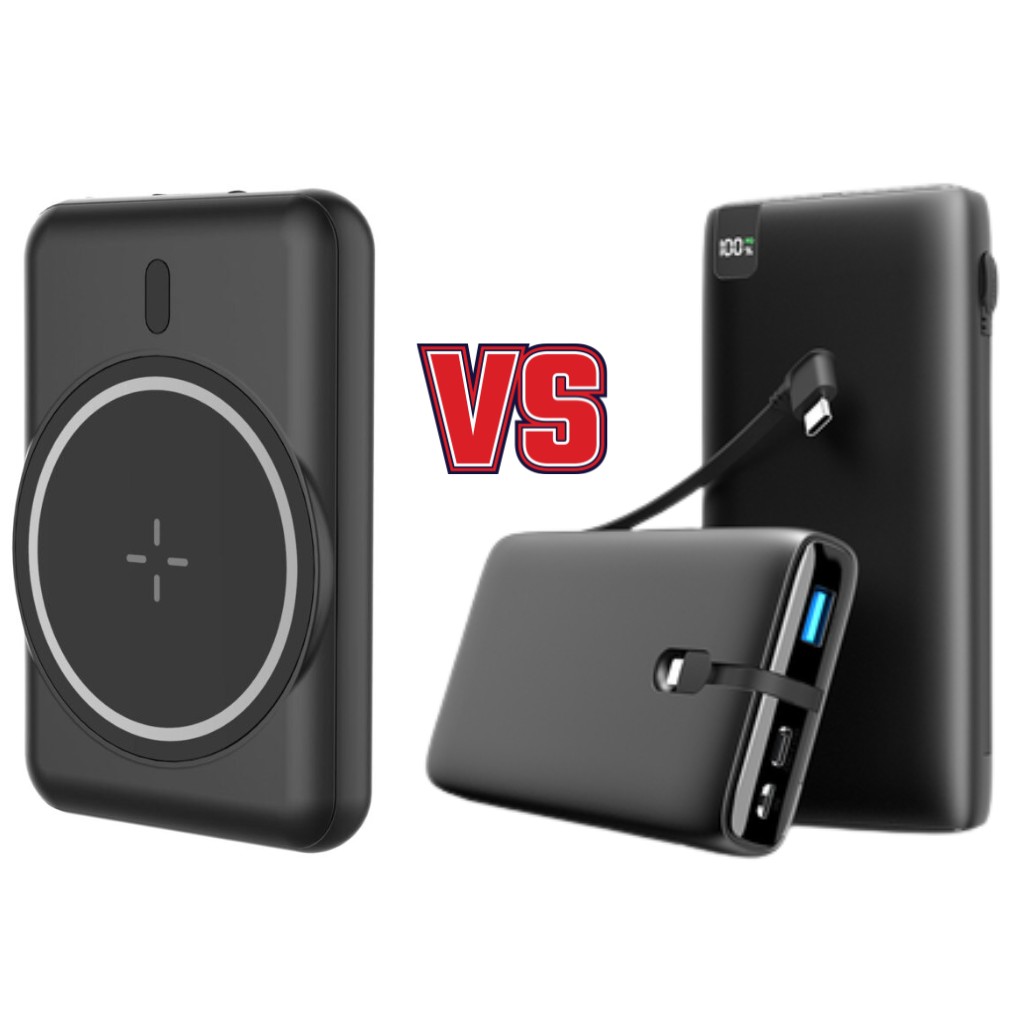
Wireless models focus on simplicity. Users just place the phone on the surface—no cables, no searching for connectors. This is especially useful in offices, airports, and daily commuting. Traditional power banks, on the other hand, rely completely on charging cables. If the cable is lost or damaged, the power bank becomes unusable.
Another key difference is device wear. Frequent plugging and unplugging can loosen charging ports over time. A wireless power bank helps reduce mechanical stress on ports, which can extend device lifespan. However, wired charging may still deliver slightly faster speeds in some entry-level models.
| Feature | Wireless Power Bank | Traditional Power Bank |
|---|---|---|
| Charging Method | Cable-free + cable | Cable only |
| Convenience | High | Medium |
| Compatibility | Qi devices | Universal (with cable) |
| Portability | Slim magnetic options available | Often bulkier |
| Cable Damage Risk | None (wireless mode) | Possible |
Wireless models reduce port wear and cable dependency, making them ideal for modern smartphones.
What Is a MagSafe Powerbank and Why Does It Matter?
A MagSafe power bank is a portable battery designed specifically to integrate with Apple’s MagSafe technology—a magnetic ecosystem introduced with the iPhone 12 lineup. Unlike standard wireless chargers, which require you to visually guess the correct charging spot, a MagSafe power bank contains an array of magnets that perfectly align with the magnets embedded inside compatible iPhones.
This magnetic connection does more than just stick the two devices together; it creates a physical and digital handshake that optimizes the charging session for that specific iPhone model. While Apple originally popularized the term, “MagSafe-style” power banks are now widely produced by third-party manufacturers (like Anker, Belkin, and Mophie) for use across various magnetic-enabled phones.
Why It Matters: The Advantages of Magnetic Alignment
The introduction of magnetic alignment solved the biggest frustrations of early wireless charging. Here is why this technology matters and how it benefits the user:
1. Improved Charging Efficiency Standard wireless charging pads often suffer from “misalignment.” If a phone is placed even a few millimeters off-center, energy transfer becomes inefficient, leading to very slow charging or no charging at all.
- The Fix: MagSafe power banks eliminate the guesswork. The magnets instantly guide the phone to the exact “sweet spot” where the charging coils overlap perfectly. This ensures the maximum possible power is delivered (up to 15W) without the user having to fiddle with the positioning.
2. Secure Attachment During Movement Before magnetic banks, using a phone while it was charging wirelessly was nearly impossible; if you picked up the charger, the phone would slide off, or the charger would dangle from the cable.
- The Fix: The magnetic hold is strong enough to keep the power bank securely attached to the back of the phone. This allows users to continue texting, scrolling social media, or taking video calls while the phone is actively charging, all without holding a cable or worrying about the battery slipping off.
3. Better Heat Control and Safety Heat is the enemy of battery health. In traditional wireless charging, misalignment causes resistance, which generates excess heat. Furthermore, if a phone slips off a pad slightly, it can continue trying to pull power inefficiently, causing it to warm up.
- The Fix: Because the magnetic connection ensures perfect alignment, energy transfer is smoother and generates less waste heat. Additionally, MagSafe power banks often contain temperature sensors that communicate with the iPhone to manage charging speed dynamically, preventing the device from overheating.
How Fast Does a Wireless Power Bank Charge?
While wireless charging offers unmatched convenience, it historically lagged behind wired charging in terms of speed. However, by 2026, the gap has narrowed significantly. The charging speed of a wireless power bank is primarily determined by its wattage (W), which dictates how much energy is transferred per second to your device.
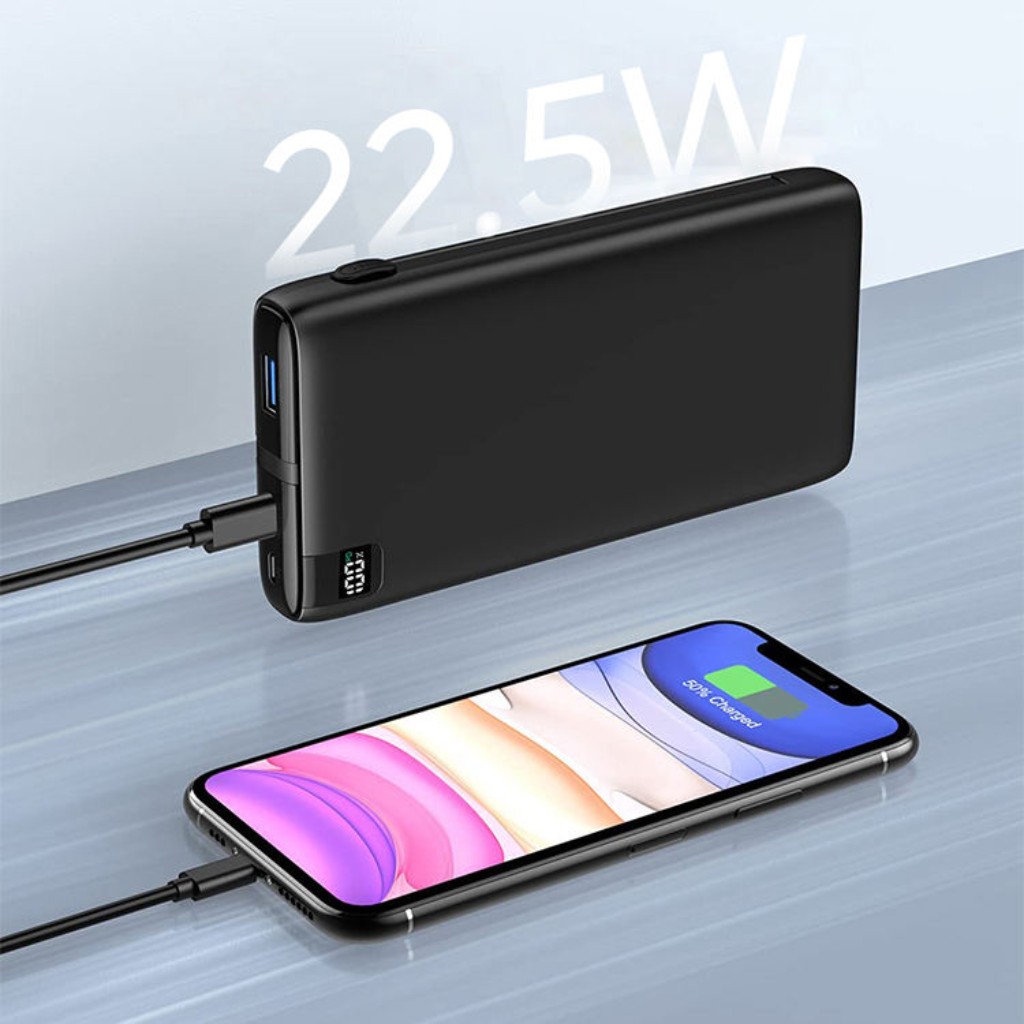
Understanding these speed tiers is essential for managing expectations:
| Output Power | Typical Use |
|---|---|
| 5W | Basic charging |
| 7.5W | Optimized for iPhone |
| 10W | Standard Android fast wireless |
| 15W | Advanced fast wireless |
Look for PD (Power Delivery) and QC (Quick Charge) support in wired ports. A hybrid power bank with wireless and 20W PD output is highly competitive in 2026.
Key Safety Features to Look For
Safety determines long-term reliability, brand reputation, and return rates. A high-quality power bank charger wireless should not only charge efficiently but also protect both the device and the user. Poor safety design can lead to overheating, battery swelling, or even fire risks—issues that damage trust and increase after-sales costs.
When evaluating a wireless power bank supplier, always review the internal protection system and battery cell quality.
Essential Protections
1. Overcharge Protection
Prevents the battery from charging beyond its safe limit. This extends battery lifespan and reduces swelling risks.
2. Short-Circuit Protection
Automatically cuts off power if an internal fault or cable issue occurs. This protects both the power bank and connected devices.
3. Over-Temperature Control
Wireless charging naturally generates heat. Advanced temperature sensors monitor internal conditions and reduce output if temperatures exceed safe levels.
4. Foreign Object Detection (FOD)
Detects metal objects such as coins or keys placed between the phone and charging surface. The system stops power transfer to prevent overheating.
How to Evaluate Build Quality
Build quality directly affects charging performance, durability, and customer satisfaction. A well-designed power bank charger wireless should feel solid, balanced, and stable during daily use. Weak construction often leads to overheating, unstable charging, or early product failure.
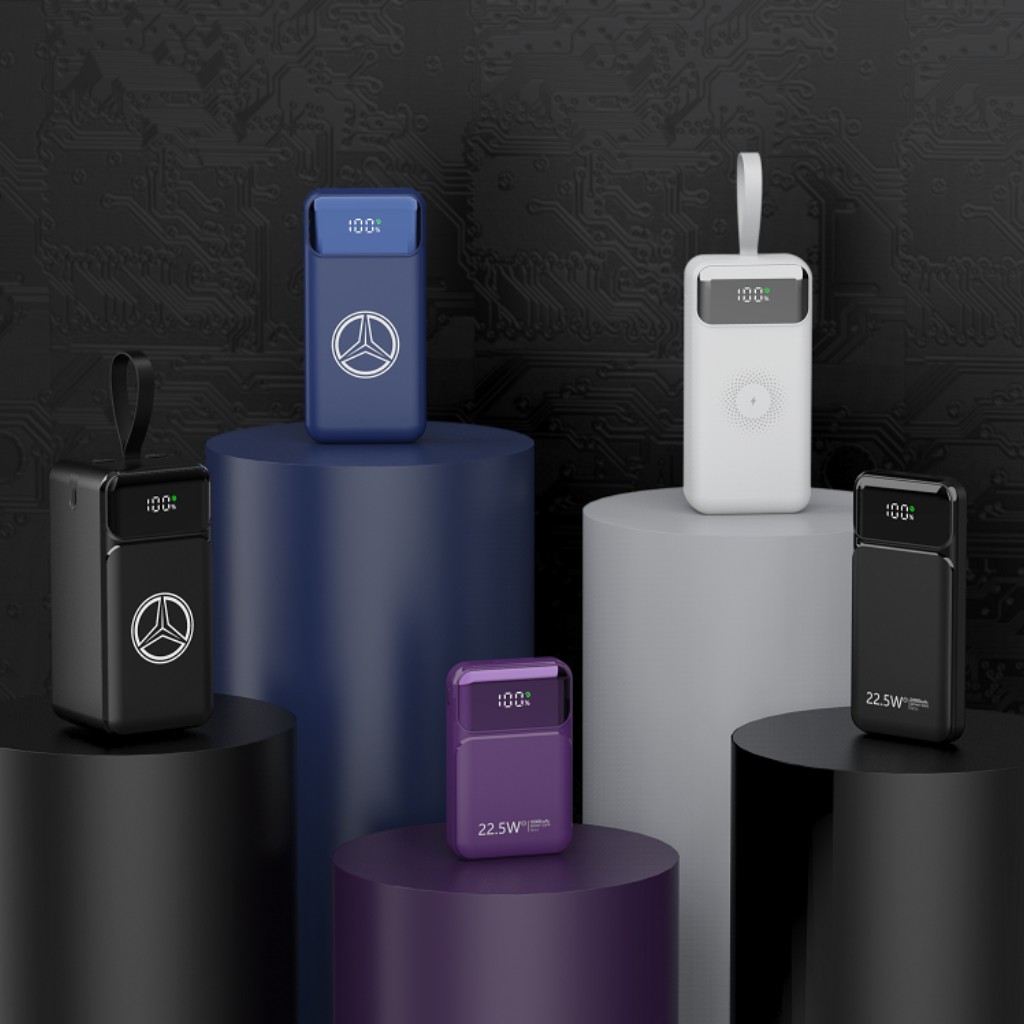
When reviewing samples from a supplier, focus on both internal structure and external materials.
What Buyers Should Inspect
1. Coil Alignment Accuracy
Wireless charging depends on precise coil positioning. If the internal coil is slightly off-center, charging speed drops and heat increases. Test by placing different phone models on the surface and checking if charging starts instantly without repositioning.
2. Magnet Strength (for Magnetic Models)
For magnetic or magesafe powerbank designs, magnet force must be strong enough to hold the phone securely during light movement. Weak magnets cause misalignment, which reduces efficiency and creates excess heat.
3. Surface Anti-Slip Materials
Silicone or rubberized coatings prevent devices from sliding. Smooth plastic surfaces may look attractive but can reduce stability, especially in moving vehicles or on desks with vibration.
4. LED Battery Indicators
Clear, accurate LED indicators improve user experience. Premium models use digital percentage displays, while entry-level units use four-step LED lights. Ensure the indicators match real battery levels during testing.
5. ABS or Aluminum Housing Durability
Fire-resistant ABS plastic is lightweight and cost-effective. Aluminum alloy housings improve heat dissipation and provide a more premium feel. Check for tight seams, strong port fittings, and resistance to scratches.
How to Choose a Reliable Manufacturer
A product is only as strong as its supply chain.
Evaluate These Factors:
Years of manufacturing experience
In-house R&D capabilities
Battery sourcing standards
OEM/ODM customization options
Production certifications
For example, HEDELEE represents a manufacturer with over 10 years in mobile accessories, including power banks, USB chargers, Bluetooth speakers, and more.
Shenzhen Hedeli Technology Co., Ltd. focuses on quality control and innovation in consumer electronics manufacturing.
Wireless Power Bank Design Trends in 2026
Design now plays a major role in purchasing decisions. Buyers no longer look only at capacity and output power. In 2026, consumers want a power bank charger wireless that looks modern, feels premium, and fits naturally into daily life.
Manufacturers are responding with slimmer profiles, visible internal components, and multi-device functionality. These design upgrades increase perceived value and help products stand out in crowded online marketplaces.
Below is a clear comparison of the leading design trends:
| Design Trend | Key Feature | Market Advantage | Ideal Sales Channel |
|---|---|---|---|
| Ultra-Slim Magnetic Designs | Less than 15mm thickness | Easy pocket storage, lightweight feel | Online retail, travel stores |
| Transparent Casing | Visible internal coil structure | Tech-focused aesthetic, premium appeal | E-commerce platforms |
| Foldable Stand Integration | Built-in kickstand | Hands-free video viewing while charging | Social commerce, mobile accessory shops |
| Multi-Device Charging Stations | Phone + watch + earbuds charging | All-in-one convenience | Electronics retailers, gift bundles |
Overall, design innovation increases product differentiation. A well-designed wireless power bank not only charges devices but also enhances user experience and visual appeal.
When Should You Choose a Wireless Power Bank Over Wired?
Not every market requires the same charging solution. Deciding between a power bank charger wireless and a traditional wired model depends on target users, price positioning, and product strategy.
Wireless charging is no longer a luxury feature. In many regions, it has become an expected convenience especially in mid-to-premium smartphone segments.
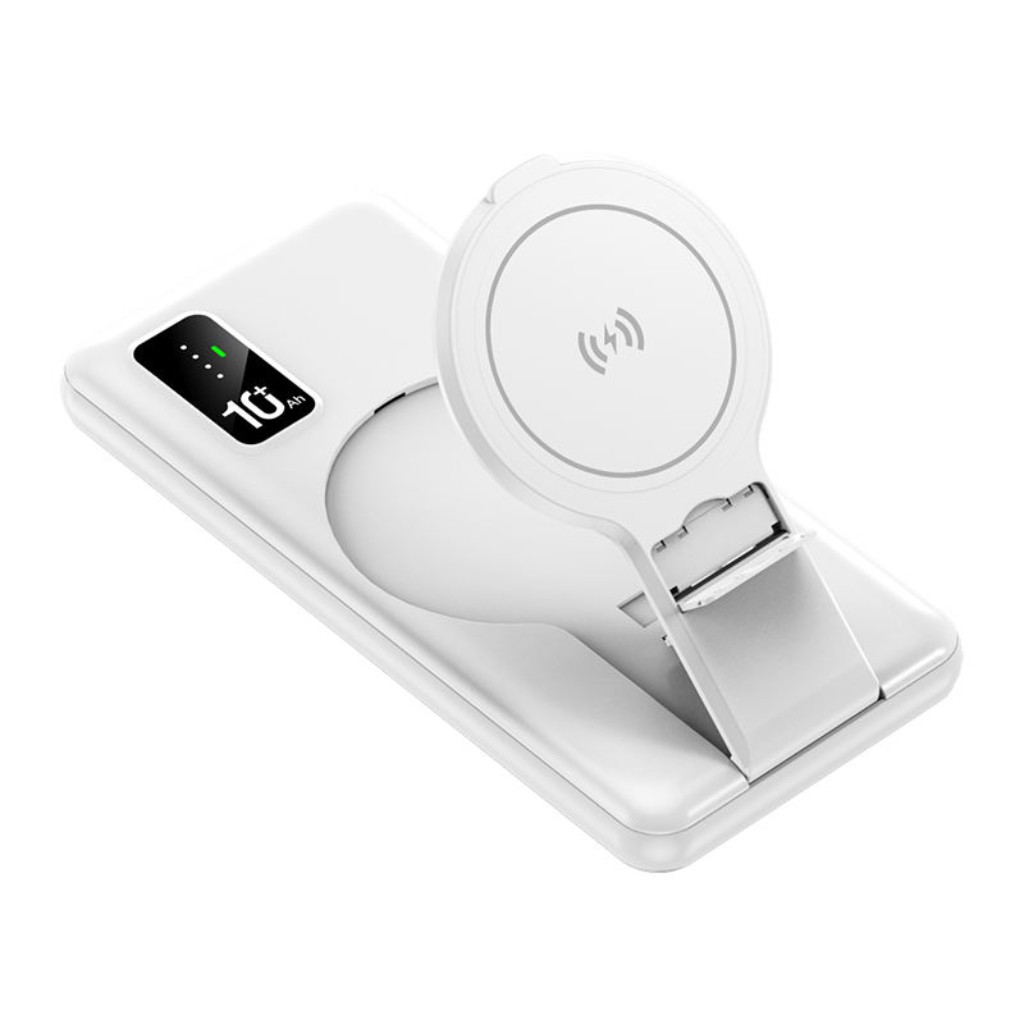
Choose Wireless When:
1. Selling to iPhone-Heavy Markets
Regions with strong iPhone adoption show higher demand for magnetic and magesafe powerbank models. Users already expect cable-free charging and are willing to pay more for seamless magnetic alignment and slim design.
2. Targeting Travel Retail
Airports, travel stores, and convenience retailers benefit from compact wireless power bank models. Travelers prefer minimal cables and simple placement charging. A slim wireless bank charger reduces clutter inside bags and improves portability.
3. Offering Premium Accessory Bundles
Wireless models increase perceived value in gift sets or bundled smartphone accessories. Pairing a power bank with wireless capability alongside cases or earbuds creates a higher-end product package.
4. Reducing Cable-Related Returns
Many returns are caused by damaged, incompatible, or low-quality cables. A wireless power bank reduces dependency on cables, lowering after-sales issues and improving customer satisfaction.
What Makes a Power Bank Charger Wireless Competitive in 2026?
In 2026, buyers are more informed and compare specifications carefully. A competitive power bank charger wireless must deliver real performance, not just marketing numbers.
A strong product typically includes:
10,000mAh real capacity for 2–3 full smartphone charges
15W wireless output for efficient fast charging
20W PD wired output for quick cable charging when needed
Strong magnetic alignment for stable attachment
Slim aluminum or fire-resistant ABS shell for durability and heat control
Smart LED display for accurate battery level indication
Balanced specs outperform inflated marketing claims. Reliable performance, verified capacity, and solid build quality matter more than exaggerated mAh ratings.
Frequently Ask Questions (FAQs)
1. What is the ideal capacity for wholesale orders of a power bank charger wireless?
10,000mAh models offer the best balance between size, cost, and consumer demand. They suit most smartphone users and reduce logistics weight.
2. Are magesafe powerbank models compatible with Android phones?
Magnetic alignment is optimized for newer iPhones. However, many models support standard Qi charging for Android devices without magnetic attachment.
3. How can we verify real battery capacity from a supplier?
Request:
Third-party lab test reports
UN38.3 documents
Real discharge test data at 5V output
4. What certifications are required for importing wireless power banks to the EU or US?
Common requirements include CE, FCC, RoHS, and UN38.3 for air shipment compliance.
5. Can we customize logo and packaging for bulk wireless bank charger orders?
Yes. Most established manufacturers provide OEM/ODM services including custom casing colors, logo printing, retail packaging, and user manuals.
If you are looking for a trusted manufacturer with over a decade of experience in mobile accessories and consumer electronics, Shenzhen Hedeli Technology Co., Ltd. offers customizable power bank charger wireless solutions designed for global markets.
From magnetic magesafe powerbank designs to high-capacity power portable charger models, our factory supports OEM/ODM production with strict quality control.
Visit our website to explore product categories or contact our team today for quotations, samples, and partnership opportunities.