A buyer can lose a sale fast when a solar energy bank looks great on the box but disappoints in real outdoor use. Many models are marketed with large capacity numbers and strong “solar” claims, yet the actual charging experience depends on panel size, battery design, charging inputs, and how the product is used.
If you’re sourcing for retail, outdoor gear, corporate gifts, or your own product line, it helps to know what is happening inside the device. Once you know the charging path, the limits of solar input, and the features that affect daily use, it becomes much easier to compare models, request the right test reports, and choose the right specifications for your market.
What Is a solar energy bank and What Does It Do?
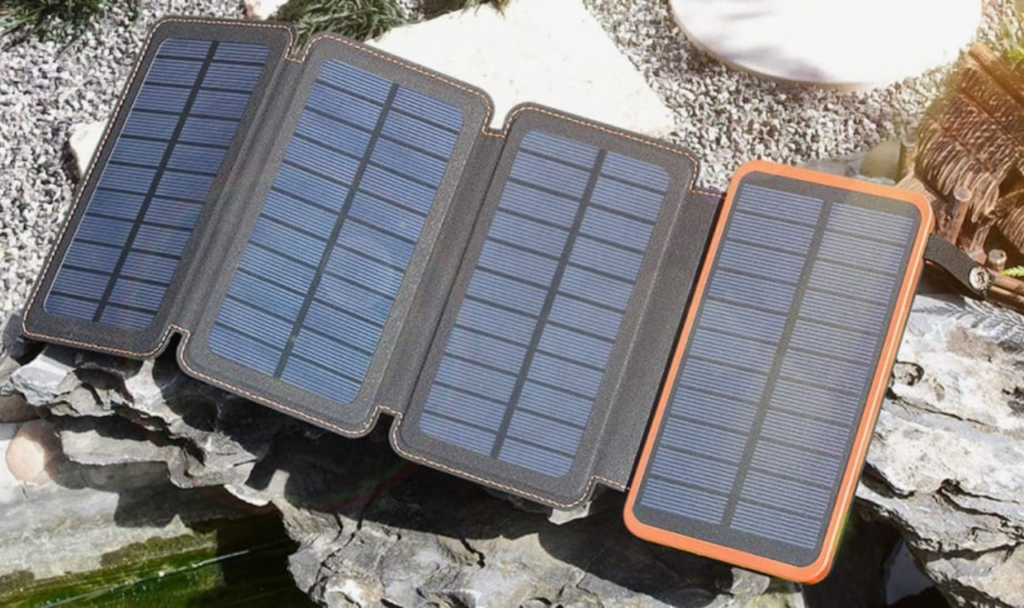
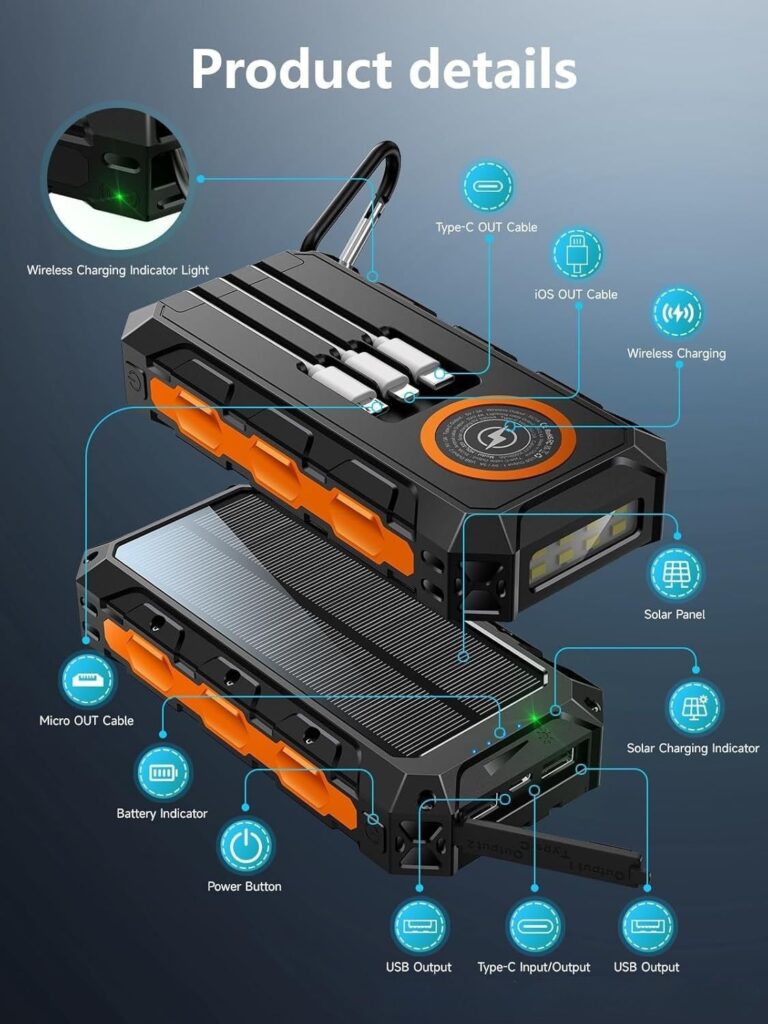
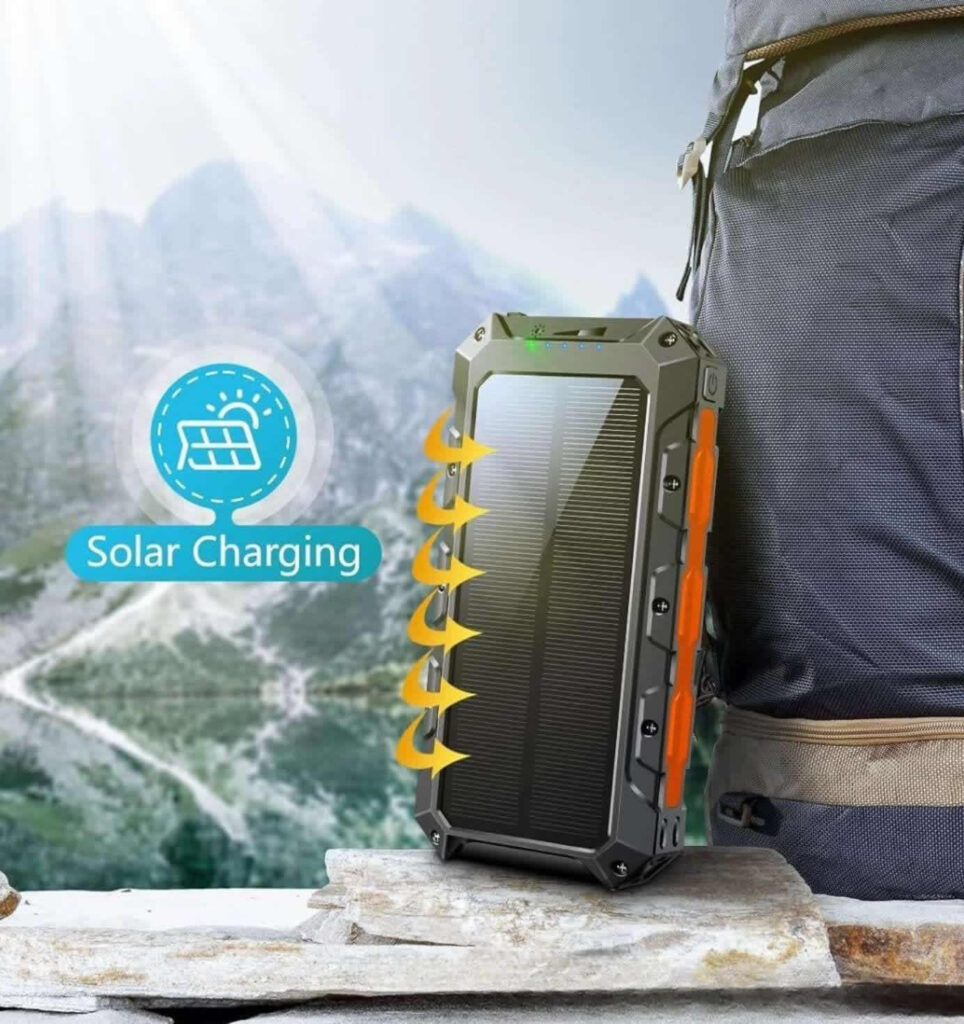
A solar energy bank is a portable battery pack with built-in solar cells and standard charging outputs (USB-A, USB-C, or wireless in some models). It stores electrical energy in an internal lithium battery, then sends that stored energy to phones, earbuds, speakers, and other small devices.
The key point is this: most units are battery packs first, with solar charging as an added charging source. The solar panel helps recharge the battery when there is sunlight, but wall charging or USB charging is still the main method for fast charging in normal use.
The U.S. Department of Energy explains that photovoltaic (PV) cells use semiconductor materials to convert light energy into electrical energy, and that individual PV cells are small and produce limited power on their own. DOE also notes that cells are connected together to increase output. That same basic idea is used in compact solar power products, just on a much smaller scale than home solar panels.
How it differs from a standard power bank
A regular power bank:
- Charges through USB input (wall charger, laptop, car charger)
- Stores energy in a lithium battery
- Outputs power to devices
A solar energy bank:
- Does all of the above
- Adds a small built-in PV panel for light charging
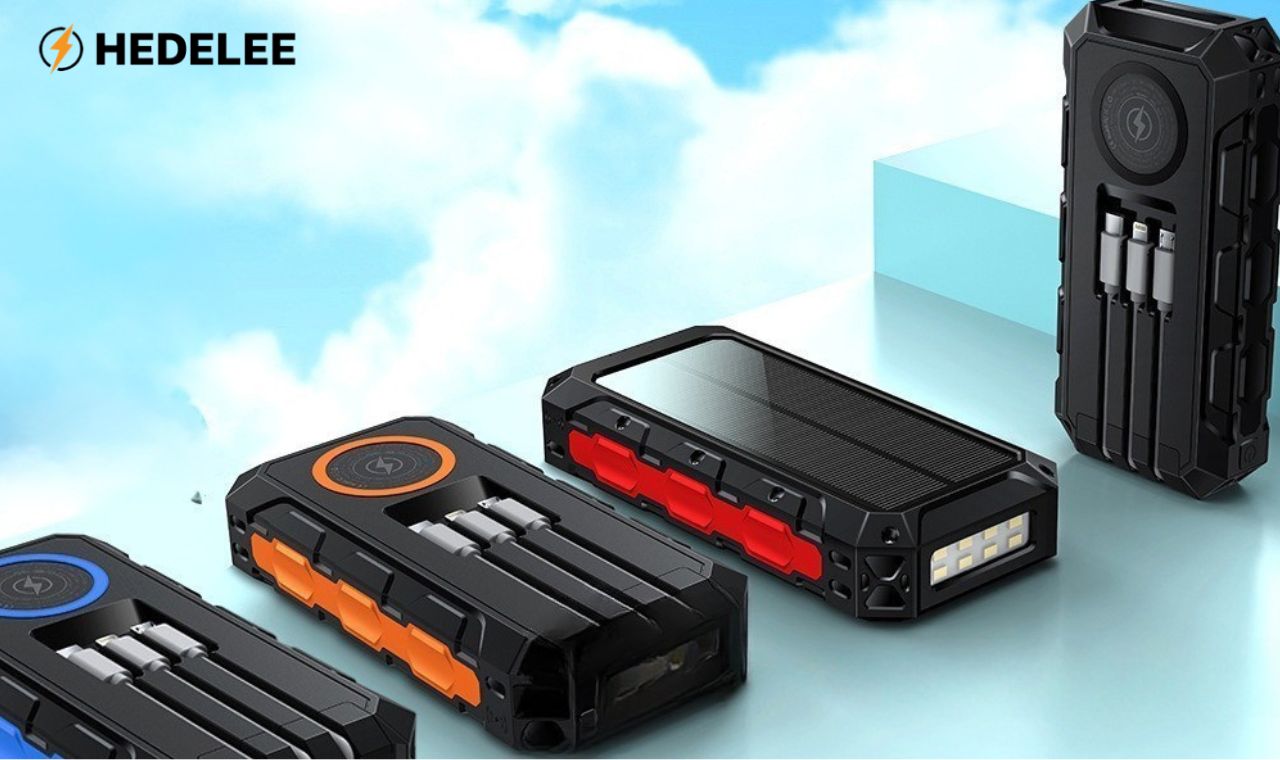
- Often includes outdoor features (flashlight, waterproof housing, hanging loop, covered ports)
That is why many buyers also search for terms like solar power bank, solar phone charger, or solar powered power bank when comparing portable charging products.
What it is best used for
A solar energy bank is usually a good fit for:
- Outdoor trips (camping, fishing, hiking)
- Emergency backup charging
- Field work and travel
- Promotional and retail products for outdoor categories
- Markets where power outages happen often
It is less ideal as the only daily charging source if users expect fast recharging from sunlight alone.
How a solar energy bank Works From Sunlight to Phone Charging
To source or sell the right model, it helps to break the process into three simple stages.
1) Solar cells collect light and create electricity
The top panel on the unit contains photovoltaic cells. DOE describes how light interacting with a PV cell can be reflected, absorbed, or pass through, and how absorbed light energy moves electrons in the semiconductor material to create electrical current.
In plain language:
- Sunlight hits the solar cells
- The cells generate DC electricity
- That electricity moves into the charging circuit inside the power bank
This is the same PV principle used in larger solar systems, just in a compact form factor. DOE also explains that PV cells are small devices, and multiple cells are connected together to increase output.
2) The charging circuit manages and stores the energy
The solar current does not go straight to the phone in most products. Instead, it usually goes into:
- A charge controller / charging management board
- Protection circuitry
- The internal lithium battery pack
The controller helps regulate charging and protects the battery from overcharging, short circuits, and other issues (feature quality varies by model and design level).
This stored-energy design is why a solar unit can still charge a phone at night. The device is not depending on live sunlight at that moment; it is using energy already stored in the battery.
3) The output ports send power to the device
When a user plugs in a phone:
- The power bank draws energy from the internal battery
- The output circuit regulates voltage/current
- USB or wireless charging delivers power to the phone
Many current models also support:
- USB-C input/output
- Dual USB charging
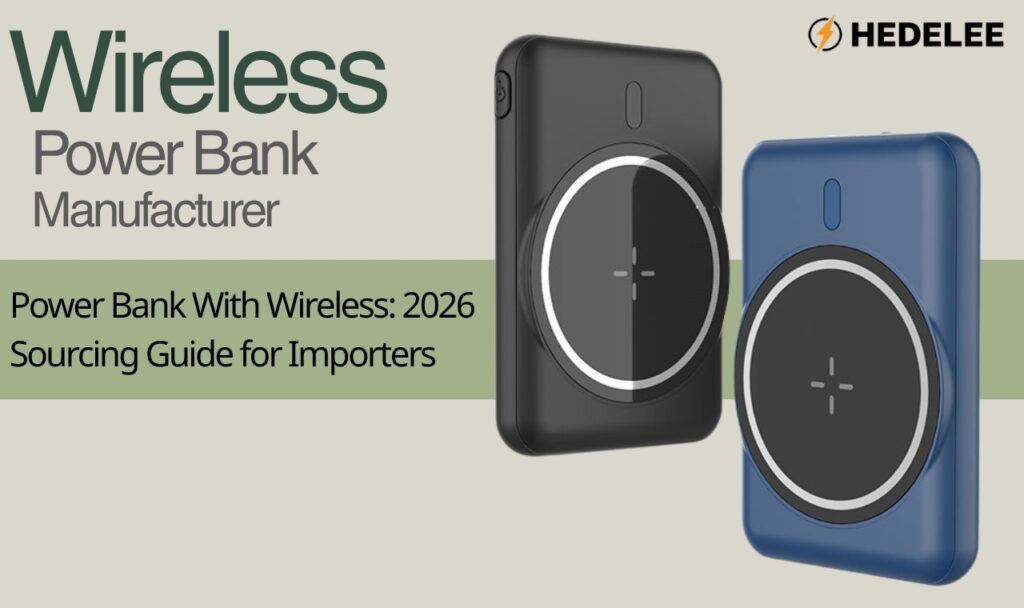
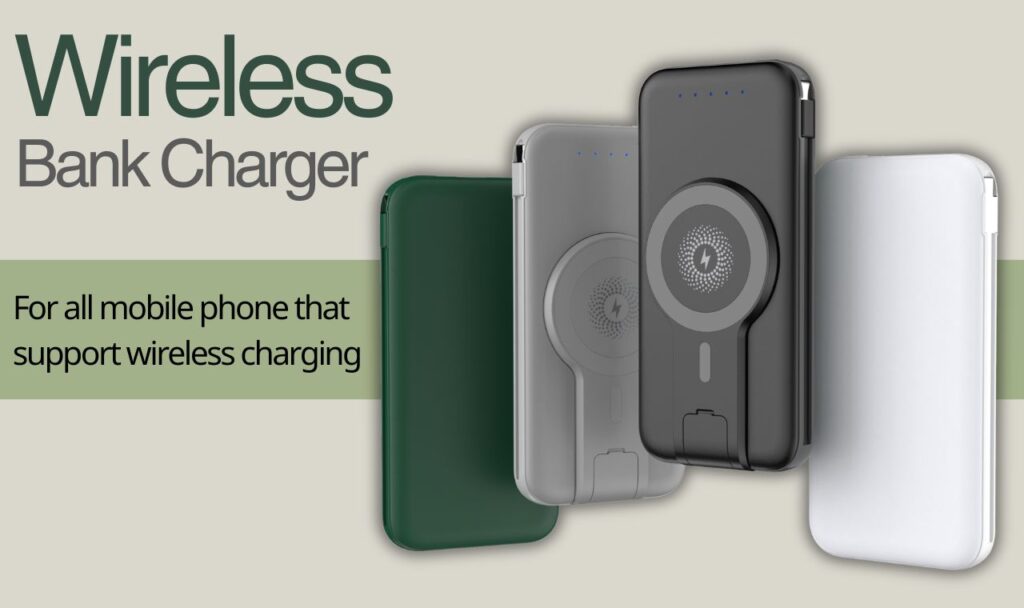
- Wireless charging
- Built-in cables
- LED flashlight functions
Why the charging path matters for buyers
This charging path affects how you evaluate product claims.
For example:
- A large battery capacity is useful only if input charging is practical
- A solar panel feature is useful only if users understand solar charging speed
- “Fast charging” should be checked against port type and output specs, not only product title text
For buyer education pages, adding a trusted reference helps build confidence. The U.S. Department of Energy PV cell basics page is a good public source for how solar cells work.
Solar energy bank Charging Modes and Real Outdoor Performance
This is the section many buyers care about most: how fast it charges, and what users should expect outside.
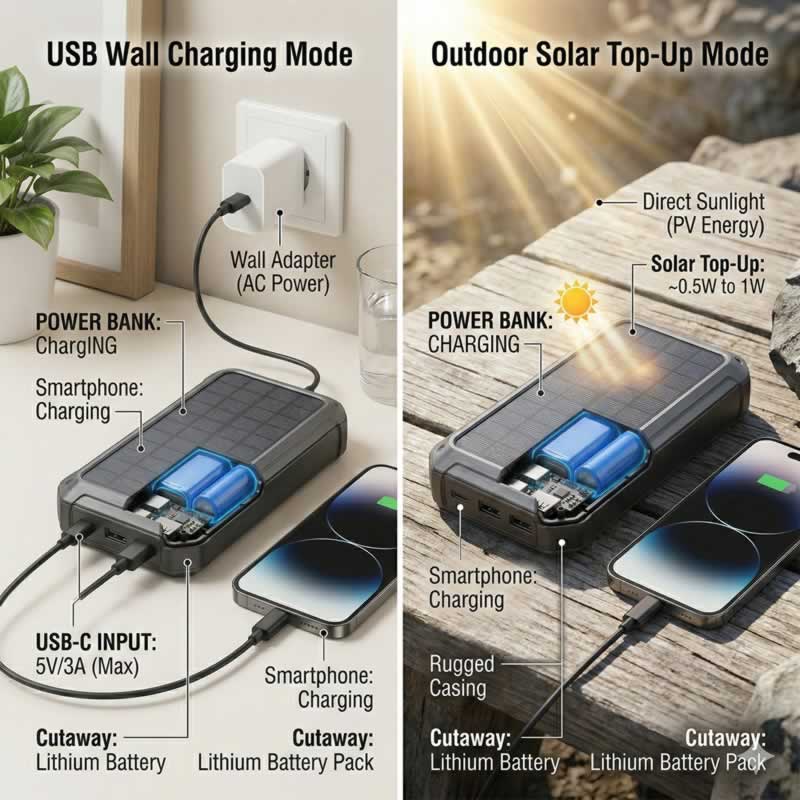
Wall charging vs solar charging: not the same job
A common mistake is treating built-in solar charging like a full replacement for USB charging. In most compact units, the solar panel is small, so charging from sunlight is much slower than charging through a wall adapter or a car charger.
DOE notes that individual PV cells produce limited power and that output depends on light conditions and cell performance. In a compact housing, panel area is small, so available charging power is also limited compared with wired charging.
That does not make the solar panel useless. It simply means the panel is better for:
- Emergency top-up
- Maintaining charge over time
- Adding extra runtime outdoors
- Backup charging when wired power is not available
Simple comparison table: charging method vs real use
| Charging Method | Typical Speed | Best Use | Buyer Note |
|---|---|---|---|
| USB wall charger (5V/2A or higher) | Fast | Daily recharge | Main charging method for most users |
| USB-C fast input (if supported) | Faster | Frequent use products | Good for higher-capacity models |
| Car charger / laptop USB | Medium | Travel and field use | Good backup when moving |
| Built-in solar panel | Slow | Emergency or top-up | Works best in direct sun over time |
What changes solar charging speed outdoors
Solar charging speed can vary a lot based on:
- Sun intensity
- Time of day
- Panel angle
- Temperature
- Cloud cover
- Dust or dirt on the panel
- Cable and circuit efficiency
- Battery state (near full can charge slower)
DOE also explains that PV output depends on the light available and cell performance, which matches what users see in real conditions: the same unit may charge well at noon but slowly in low-angle sunlight.
Practical wording for product pages and sales teams
If you’re positioning a product as a solar phone charger, use clear language:
- “Best for backup and emergency charging”
- “Solar charging supports outdoor top-up”
- “USB charging recommended for full recharge before trips”
Clear wording reduces returns and helps your team match the right model to the right customer.
Key Features to Check in a solar power bank Before You BuyOnce the charging logic is clear, product comparison becomes much easier. This is where buyers and product managers can avoid mismatches.
1) Battery capacity: mAh and usable power
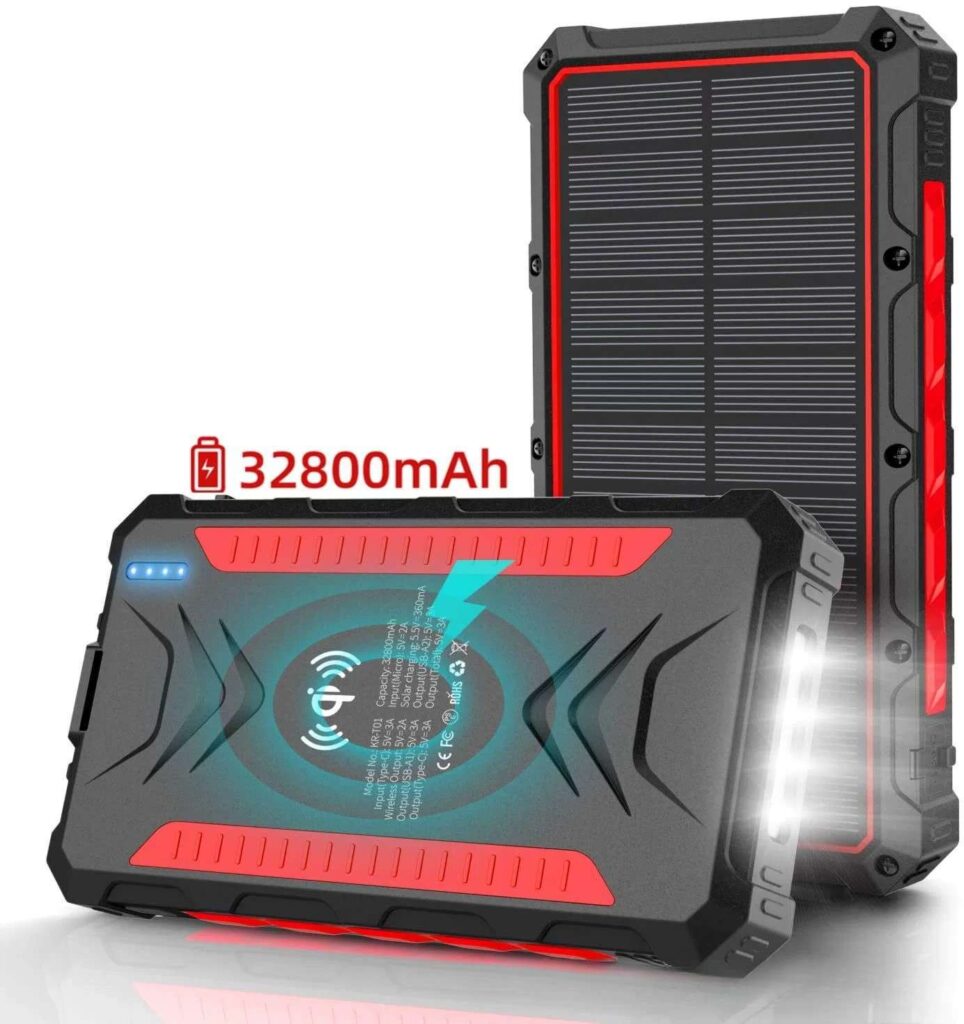
Capacity is usually shown in mAh (for example 10,000mAh, 20,000mAh, 30,000mAh, or higher). Higher mAh usually means:
- More phone charges
- Longer runtime
- Heavier product
- Longer recharge time
For sourcing, ask for:
- Rated capacity
- Cell type
- Battery grade
- Conversion efficiency (if available)
- Net weight
A solar power bank battery charger with a large printed mAh number is easier to sell when the real output performance is documented well.
2) Input options: how the power bank itself recharges
Check:
- Micro-USB input (older, still common)
- USB-C input (more preferred now)
- Dual inputs (faster recharge flexibility)
- Maximum input current/voltage
For daily use, input speed matters as much as capacity. A large-capacity unit with slow input can frustrate users.
3) Output ports and charging formats
Buyers should confirm:
- USB-A output count
- USB-C output support
- Wireless charging (Qi, if included)
- Maximum output rating
- Ability to charge multiple devices at once
A model sold for outdoor use often benefits from at least dual outputs plus a flashlight.
4) Solar panel build and placement
Ask:
- Is the panel integrated or foldable?
- How large is the panel area?
- Is the panel surface protected well?
- What is the expected solar input (rated or typical)?
Some listings describe “solar” strongly, but the panel is very small. That can still be okay if the product is positioned as backup power, not full daily solar charging.
5) Housing protection and outdoor design
For outdoor channels, look at:
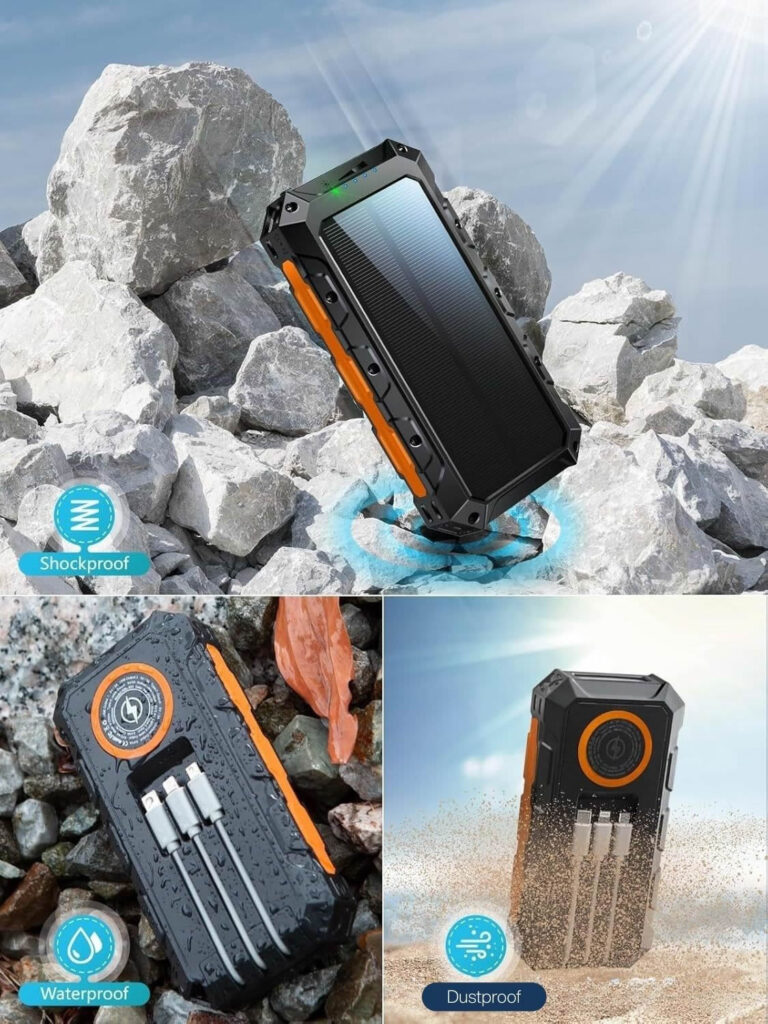
- Waterproof or splash rating (IP level when stated)
- Dust protection
- Port covers
- Shock resistance
- Carabiner or hanging loop
- LED flashlight brightness and modes
6) Safety and compliance documents
Before ordering, request:
- UN38.3 (battery transport testing)
- MSDS / battery documents
- CE / RoHS (for applicable markets)
- Shipping carton specs
- Drop test or internal QA records (if available)
Even when buyers know the category well, having these documents ready speeds up approvals with distributors and retailers.
How to Choose the Right power bank for solar Product Lines
The phrase power bank for solar shows up often in buyer searches, but it can mean different things:
- A power bank with a built-in solar panel
- A power bank used with a separate foldable solar panel
- A portable charger intended for outdoor sales channels
For procurement teams, the best approach is to choose by use scenario first, then by capacity and features.
Simple comparison table: capacity range vs use case
| Capacity Range | Best Fit | Common Features | Trade-off |
|---|---|---|---|
| 10,000mAh | Entry retail, gift programs, light users | Compact size, single/dual ports | Fewer device charges |
| 20,000mAh | Outdoor retail, travel, general market | Dual outputs, flashlight, better value balance | Heavier than entry models |
| 25,000–30,000mAh | Frequent outdoor users, longer trips | Faster charging options, wireless on some models | Longer recharge time |
| 36,000–42,000mAh | Heavy-use outdoor and emergency backup | Built-in cables, higher capacity, multi-device use | Larger size, higher shipping weight |
Match the model to your channel, not just the largest number
A larger unit is not always the best seller. In many markets:
- 10,000mAh sells well for lightweight carry
- 20,000mAh is the most common balance point
- 30,000mAh+ works best when buyers want emergency backup and multi-device charging
If your team is reviewing mixed search terms from marketplaces, you may even see odd phrasing like bank power solar in customer queries. Treat those as intent signals, not product specs. The intent is usually “portable charging with a solar feature.”
Hedelee product options to compare by use case
To review the full range first, start with the Hedelee solar power bank product collection.
Here are product examples from your current range that can be grouped by capacity and features:
Entry and mid-range options
- 10,000mAh outdoor solar power bank with wireless charging and strong light
- 20,000mAh waterproof solar power bank with dual inputs and flashlight (HDL-218)
- Waterproof 20,000mAh fast charging solar panel power bank
- HDL519X 20,000mAh dual-USB solar panels power bank with LED light
Higher-capacity and outdoor-heavy options
- 25,000mAh portable solar charger power bank with dual USB ports
- Foldable 20,000mAh fast charging solar charger with LED lights
- 30,000mAh Qi wireless solar charger power bank, IP65 (HDL528)
Multi-cable and very high-capacity formats
- 24,000mAh / 36,000mAh built-in 4-cable wireless solar power bank (HDL529)
- 36,000mAh wireless solar power bank with three cables (HDL-531)
- 42,000mAh built-in 4-cables wireless solar battery pack (HDL-628)
What to request when comparing samples
Ask each sample to be tested the same way:
- Charge input time from 20% to 100%
- Output charging test with the same phone model
- Solar top-up test under fixed sunlight window
- Waterproof cover fit check
- Drop or handling check
- Packaging and accessories review
This gives your team a fair comparison across models.
Using a solar powered power bank Safely and Getting Better Results
A solar powered power bank works better when users follow a few simple habits. This section is useful for product manuals, sales pages, and customer support scripts.
Best use routine for end users
- Fully charge by USB before the trip
Treat solar charging as backup support, not the only charging plan. - Use solar charging to maintain or top up
Clip or place the unit where it gets direct sun for a longer time. - Keep the panel clean
Dust and fingerprints reduce light reaching the cells. - Avoid heat buildup
High heat can reduce battery performance and product life. - Charge the phone from the stored battery
This gives more stable output than depending on weak or changing sunlight.
Storage and handling tips for buyers and retailers
For inventory and after-sales guidance:
- Store partly charged, not fully empty
- Avoid long storage in very hot places
- Check port covers before outdoor use
- Rotate stock for long shelf-life categories
- Include a clear user guide in the box
Travel and airline notes for portable battery products
If your market includes travelers, this point helps reduce complaints.
The FAA’s PackSafe guidance states that spare lithium batteries and power banks must be carried in carry-on baggage only, not checked baggage. The FAA also notes that lithium batteries can overheat and enter thermal runaway if damaged, overheated, exposed to water, overcharged, or packed incorrectly. Their page also lists common size limits, including 100Wh for many personal batteries, with airline approval needed for some larger spare batteries.
For travel-related product pages or manuals, it is useful to link to the FAA PackSafe lithium battery guidance so users can check current airline rules. The FAA page shown here was last updated February 21, 2025. (Federal Aviation Administration)
Why this helps returns and reviews
Many returns happen because buyers expected:
- Full solar charging in a short time
- Airline rules to be the same for every battery size
- Waterproof labels to mean full submersion
Clear use guidance improves customer satisfaction and helps your product team set accurate product claims for every market.
This is also where keyword variants can be used naturally in support content:
- solar cell phone charger
- solar mobile phone charger
Those phrases often point to users looking for the same product type, but with slightly different wording.
Sourcing a solar energy bank From the Original Manufacturer
Once the product direction is clear, sourcing decisions come down to supply stability, customization support, and how fast your team can approve a model.
Questions procurement teams should ask before placing an order
Use a short checklist during supplier review:
- What is the confirmed battery capacity and test method?
- What input/output specs are supported?
- Is wireless charging available on this model?
- Which waterproof or splash rating applies?
- What certifications and transport documents are ready?
- What carton quantity and gross weight apply?
- Can the supplier provide sample labeling and retail packaging mockups?
- What is the lead time for repeat orders?
Why direct manufacturer access helps
Working directly with the factory usually gives you:
- Faster spec clarification
- Better sample revisions
- Packaging and logo customization discussion in one thread
- More consistent production follow-up
- Better control over accessory combinations (cables, box inserts, manuals)
For teams building repeat orders, this also helps keep your product line consistent across seasons.
Hedelee manufacturing background for buyers
Hedelee (Shenzhen Hedeli Technology Co., Ltd.) has about 10 years of experience in mobile accessories and consumer electronics, with product categories including power banks, TWS earbuds, Bluetooth speakers, USB chargers, cables, car chargers, and phone holders. The company has more than 100 employees, a headquarters in Shenzhen, an office and showroom in Guangzhou, and a Dongguan factory with monthly capacity around 50,000 units. This setup is useful for buyers who need stable supply and factory-level communication.
Sample review workflow that works well
A simple process many teams use:
- Choose 2–4 target models by capacity and feature set
- Request samples and spec sheets
- Run charging and handling tests
- Confirm packaging and logo requirements
- Review shipping and document package
- Place pilot order
- Move to repeat orders after feedback
This keeps decision-making fast without rushing product validation.
Work With the Manufacturer Directly for Faster Quotes and Stable Supply
If your team is building a product line in outdoor charging, a clear spec-first approach will save time: pick the right capacity range, define the charging inputs and outputs, set realistic solar charging claims, and confirm documents early.
Hedelee is the original manufacturer behind these models, so reaching out gives you direct access to the source for:
- Model recommendations based on your market
- Sample requests and feature comparison
- OEM logo and packaging discussion
- Lead time and production planning
- Quote support for repeat purchasing
You won’t need to pass through multiple layers to get product details. If you’re comparing solar charging models now, send your target capacity, feature list, and estimated order volume, and request samples or a quotation directly from the factory team.
Frequently Asked Questions
1. What MOQ is common for solar power bank orders?
MOQ depends on the model, packaging, and customization level. Many buyers start with sample testing first, then confirm MOQ after they choose capacity and features. Reach out with your target model list to get exact MOQ options.
2. Can we add our logo and custom packaging?
Yes, logo printing and retail packaging customization are usually available for solar charging products. Share your logo file, packaging style, and box size preferences so the factory can review options and quote accurately.
3. How do we test a solar phone charger sample?
Start with USB input charging time, then run a phone output test, and finally run a solar top-up test in a fixed sunlight window. Use the same phone model and cable for all samples so your comparison stays fair.
4. What documents should we request before shipping?
Ask for battery transport and market documents first, including UN38.3 and other applicable compliance files for your destination. You should also request carton details, product specs, and battery information before booking shipment.
5. Can you provide samples of a solar mobile phone charger?
Yes, samples are the best way to compare size, weight, charging speed, and finish quality before ordering. Contact us with the model links you prefer, and request samples plus detailed specifications.