Your team needs reliable power on the go, but tangled cables slow down productivity. Wired charging creates clutter and limits mobility during critical work hours. A wireless bank charger eliminates cable dependency while delivering consistent power to multiple devices simultaneously, making it the practical choice for modern professionals who value efficiency and convenience.
The shift toward cable-free charging isn’t just about convenience. It’s about reducing equipment failure points, extending device lifespan, and streamlining operations. When procurement teams evaluate power solutions, they need products that deliver measurable value across daily use scenarios.
What Is a Wireless Bank Charger?
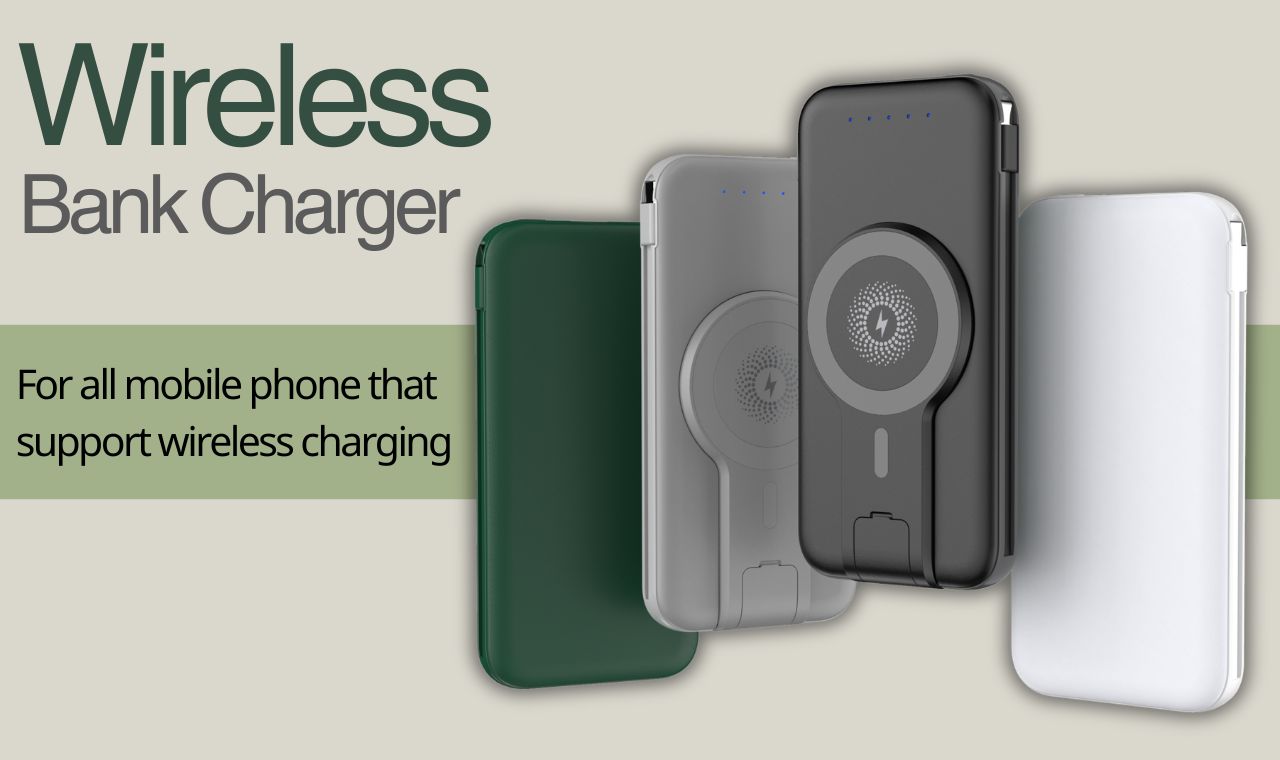
A wireless bank charger combines portable battery storage with inductive charging technology. Unlike traditional power banks that require USB cables, these units transfer energy through electromagnetic fields. You place your device on the charging surface, and power flows automatically.
The technology uses Qi wireless charging standards in most cases. Your phone, earbuds, or other compatible devices receive power without physical connection. This approach reduces wear on charging ports and eliminates the need to carry multiple cables.
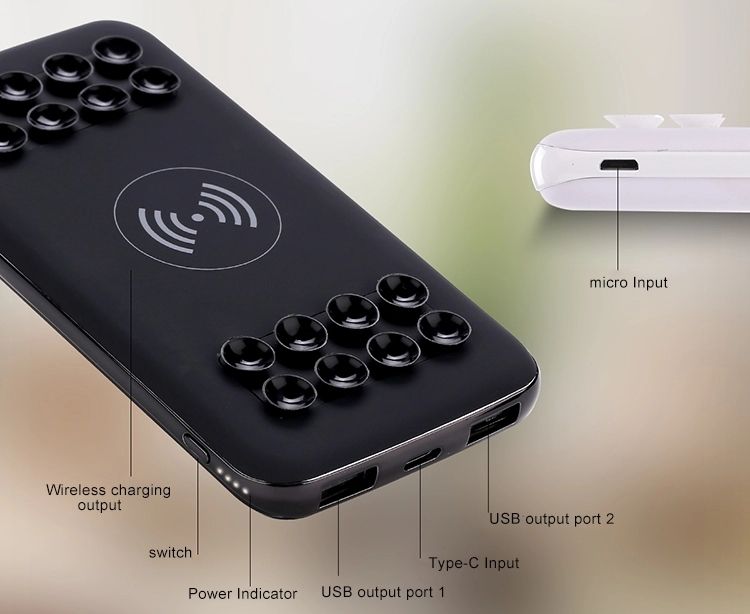
Modern power bank charger wireless units typically include both wireless and wired charging options. This dual functionality ensures compatibility with older devices while supporting newer wireless-enabled equipment. The flexibility makes them suitable for mixed device environments common in professional settings.
Capacity ranges from 5,000mAh to 30,000mAh or higher. The right size depends on your typical usage patterns and the number of devices you need to charge between wall outlet access. Commercial-grade units often feature LED indicators, multiple output options, and fast-charging protocols.
Why Choose a Power Bank Charger Wireless Over Traditional Options?
Cable damage accounts for significant replacement costs over time. Charging ports wear out from repeated plugging and unplugging. Wireless charging eliminates both problems by removing mechanical stress points from the equation.
Productivity improves when teams aren’t searching for compatible cables. A wireless bank charger works with any Qi-enabled device regardless of brand or connector type. This universal compatibility reduces inventory complexity and simplifies equipment management.
Safety features built into wireless charging systems prevent overheating and overcharging. The charging surface detects foreign objects and stops power transfer when needed. These protections extend battery life and reduce fire risks compared to damaged or counterfeit wired chargers.
Key Advantages of Wireless Bank Charger Technology
Port longevity: Device charging ports last longer without mechanical wear. Field technicians, sales teams, and service professionals benefit from extended hardware lifecycles.
Multi-device support: Many wireless models charge two or three devices simultaneously. You can power your phone wirelessly while charging a tablet through USB-C, maximizing efficiency during limited downtime.
Weather resistance: Quality wireless power banks feature sealed designs that protect internal components from moisture and dust. This durability matters for outdoor work environments and challenging conditions.
Foreign object detection: Advanced units identify metal objects on the charging pad and halt power transfer immediately. This safety feature prevents accidents and protects both the charger and your devices.
Temperature management: Built-in sensors monitor heat levels and adjust charging rates automatically. This prevents thermal damage during extended charging sessions in various ambient temperatures.
Types of Power Bank with Wireless Charging Capability
Not all wireless chargers operate the same way. Understanding the differences helps you match products to specific requirements.
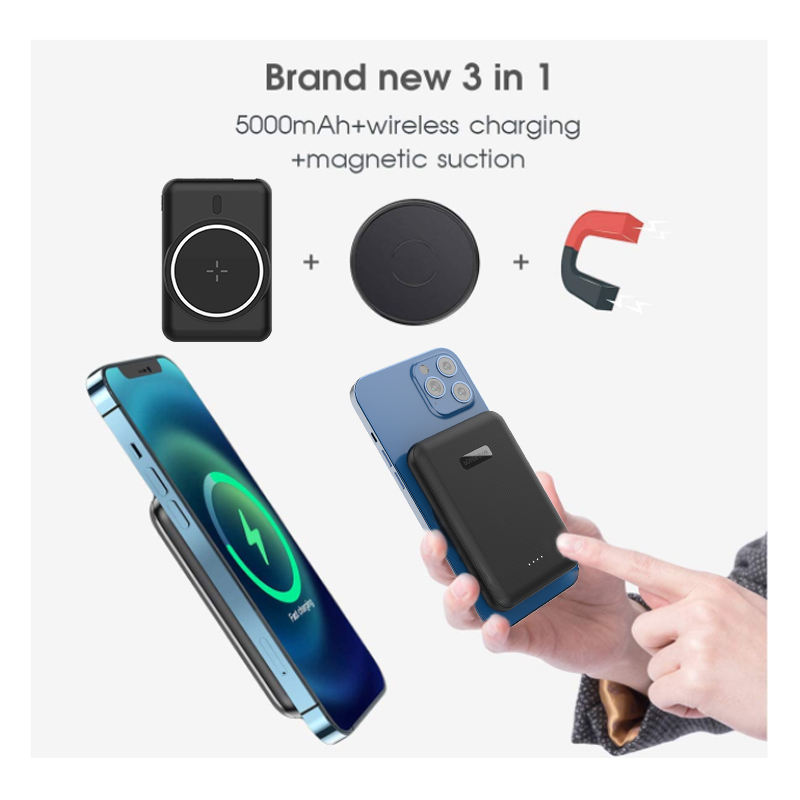
MagSafe Power Bank Solutions
Apple introduced MagSafe technology to provide aligned, efficient wireless charging. A magsafe power bank includes magnetic rings that snap your iPhone into the optimal charging position. The magnets ensure proper coil alignment, which maximizes power transfer efficiency and charging speed.
These units work specifically with iPhone 12 and newer models. The magnetic attachment means you can use your phone while it charges without worrying about misalignment. This convenience factor appeals to professionals who need constant device access.
MagSafe chargers typically deliver 7.5W to 15W of power to compatible devices. The magnetic connection also supports accessories like wallets and stands, adding functionality beyond basic charging.
Standard Qi-Enabled Wireless Chargers
Qi technology represents the universal wireless charging standard adopted by most manufacturers. These chargers work with Samsung, Google, LG, and other Android devices plus newer iPhones. A power bank with wireless Qi certification ensures broad compatibility across your device inventory.
Charging speeds vary from 5W for basic models to 15W for fast-charging capable units. The actual speed depends on both the power bank’s output and the receiving device’s input capacity. Professional-grade Qi chargers often include cooling mechanisms to maintain consistent performance during extended use.
Placement matters with standard Qi chargers. You need to center your device on the pad for optimal charging. Some models include visual guides or tactile feedback to help with positioning.
How to Select the Right Power Portable Charger for Your Needs
Making informed purchasing decisions requires understanding how different specifications affect real-world performance. Here’s what matters most.
Capacity Considerations
Battery capacity determines how many charge cycles you get before needing to recharge the power bank itself. A 10,000mAh unit typically charges a smartphone 2-3 times. A 20,000mAh model handles 4-6 full charges depending on your device’s battery size.
Calculate your team’s daily power consumption. Field staff who spend 8-10 hours away from outlets need higher capacity units. Office workers with periodic charging needs might work fine with smaller models.
Remember that wireless charging consumes slightly more energy than wired due to conversion losses. Factor in a 20-25% efficiency reduction when comparing capacities between wireless and wired options.
Charging Speed and Protocol Support
Output wattage directly affects charging time. A 5W wireless charger takes 3-4 hours to fully charge a smartphone. A 15W unit reduces that to 2-2.5 hours. The difference compounds when charging multiple devices throughout the day.
Look for power banks that support both standard wireless speeds and fast charging protocols. PD (Power Delivery) and QC (Quick Charge) compatibility on wired ports adds versatility. Your power portable charger should handle various device types without requiring multiple specialized units.
Check what input charging speed the power bank itself accepts. Some units recharge in 2-3 hours while others take 6-8 hours. Faster input charging reduces downtime between uses.
Build Quality and Durability
Professional use demands robust construction. Aluminum housings dissipate heat better than plastic and withstand daily handling. Reinforced corners prevent damage from drops and impacts.
Check certifications: FCC, CE, and RoHS compliance indicate proper safety testing. UL certification adds another layer of quality assurance. These standards matter when you’re sourcing equipment for organizational use.
Warranty terms reveal manufacturer confidence. A 12-24 month warranty with clear service terms protects your investment. Some manufacturers offer extended warranties for bulk orders.
Wireless Bank Charger vs. Wired Power Banks: A Detailed Comparison
Understanding the trade-offs helps you make the right choice for specific applications.
| Feature | Wireless Bank Charger | Wired Power Bank |
|---|---|---|
| Convenience | No cables needed for compatible devices | Requires appropriate cables |
| Charging Speed | 5W-15W typical | Up to 100W with PD support |
| Port Wear | Zero port wear | Repeated plugging causes gradual damage |
| Efficiency | 70-80% efficiency | 85-95% efficiency |
| Multi-device | Wireless + USB ports common | Multiple ports available |
| Price Point | Moderate to premium | Budget to premium options |
| Compatibility | Qi-enabled devices only | Universal with correct cable |
| Heat Generation | Moderate warmth during charging | Minimal heat generation |
Both technologies serve different priorities. Wireless models excel in convenience and longevity. Wired options win on charging speed and energy efficiency. Many organizations maintain both types to cover all scenarios.
Comparison: Entry-Level vs. Professional Wireless Bank Charger Models
| Specification | Entry-Level (5,000-10,000mAh) | Professional (20,000mAh+) |
|---|---|---|
| Wireless Output | 5W-7.5W | 10W-15W |
| Wired Output | 12W (USB-A) | 18W-65W (USB-C PD) |
| Recharge Time | 4-6 hours | 3-4 hours (with fast charging) |
| Weight | 180-250g | 400-500g |
| Device Charges | 1-2 smartphones | 4-6 smartphones |
| Additional Features | Basic LED indicator | LED display, multiple ports, pass-through charging |
| Build Materials | Plastic housing | Aluminum alloy, reinforced corners |
| Price Range | Budget-friendly | Premium investment |
| Ideal For | Light daily use, individual users | Heavy users, field teams, shared equipment |
Real-World Applications and Use Cases
Field service operations: Technicians carry diagnostic devices, phones, and tablets. A high-capacity wireless bank charger eliminates cable management in tight workspaces like equipment rooms or vehicle interiors.
Healthcare facilities: Medical staff need rapid device charging between shifts. Wireless charging supports infection control by reducing frequently-touched cables and connectors.
Hospitality and events: Guest services teams move constantly. Wireless charging keeps communication devices powered without stopping to untangle cables or find compatible connectors.
Education and training: Instructors charging tablets and demonstration devices benefit from quick wireless top-ups between sessions. Students appreciate wireless options in collaborative spaces.
Transportation and logistics: Drivers and dispatchers cycle through device-intensive shifts. Wireless power banks mount easily in vehicles and provide cable-free charging during breaks.
Retail and customer service: Floor staff need constant device access for inventory checks and customer service. Wireless charging maintains power levels without interrupting customer interactions.
What to Look for When Sourcing from Manufacturers
Direct sourcing from manufacturers offers advantages over retail channels. You get better pricing, customization options, and technical support for volume orders.
Minimum order quantities: Understand MOQ requirements upfront. Some manufacturers start at 500 units while others accommodate smaller test orders. Negotiate based on your projected long-term needs.
Customization capabilities: Many manufacturers offer private labeling, custom colors, and logo placement. These options help with branding or department identification in large organizations.
Quality control processes: Ask about testing procedures and defect rates. Reputable manufacturers conduct multiple quality checks and provide detailed specifications for every component.
Certification documentation: Request copies of safety certifications and test reports. You need this documentation for compliance and liability protection.
Lead times and logistics: Manufacturing and shipping typically take 30-60 days for custom orders. Plan accordingly for seasonal demand or project-specific needs.
After-sales support: Clarify warranty procedures, replacement policies, and technical assistance availability. Good manufacturers stand behind their products with responsive service.
Production capacity: Verify the manufacturer can scale to meet growing demand. A factory that handles your initial order smoothly might struggle with reorders three times larger.
Component sourcing: Ask about battery cell suppliers and wireless charging module manufacturers. Name-brand components from Samsung, LG, or Panasonic indicate quality focus.
Technical Specifications That Matter
When evaluating wireless bank charger options, several specifications directly impact performance and user satisfaction.
Coil alignment: Multi-coil designs allow flexible device placement. Three-coil units let you position devices horizontally or vertically with consistent charging performance.
Pass-through charging: This feature lets the power bank charge devices while plugged into a wall outlet itself. It reduces the number of charging cycles and simplifies overnight charging routines.
Foreign object detection (FOD): Essential safety feature that identifies metal objects on the charging pad and stops power transfer. Prevents dangerous heat buildup from coins, keys, or other metal items.
Overcharge protection: Circuits that stop power flow when devices reach 100% prevent battery degradation from extended charging sessions.
Short circuit protection: Safeguards both the power bank and connected devices if wiring faults occur.
Input/output consistency: Look for models where input charging speed matches or exceeds total output capacity. This prevents situations where the power bank discharges faster than it recharges.
Solar Integration: The Next Step in Portable Power
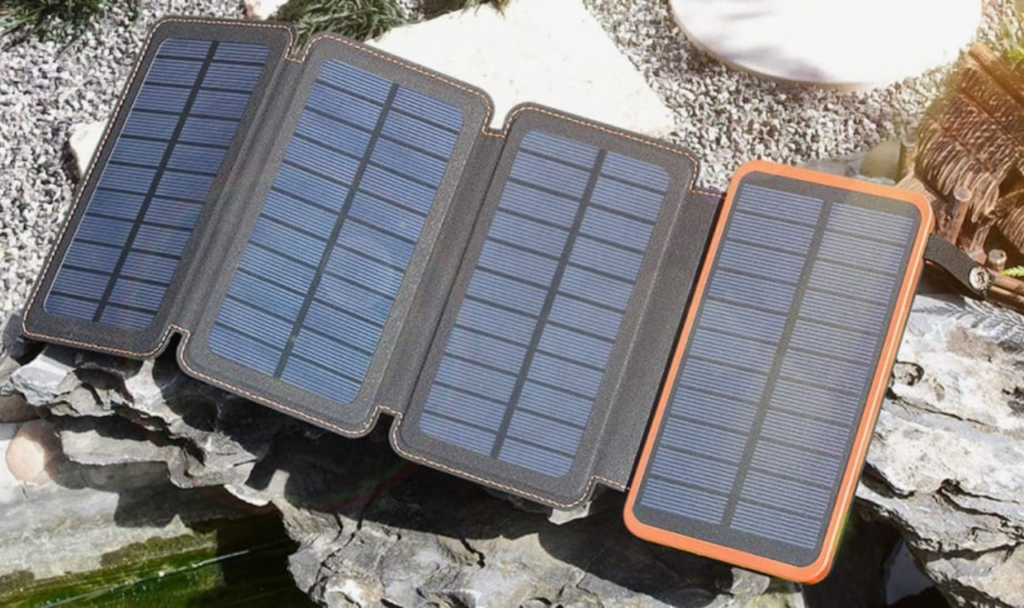
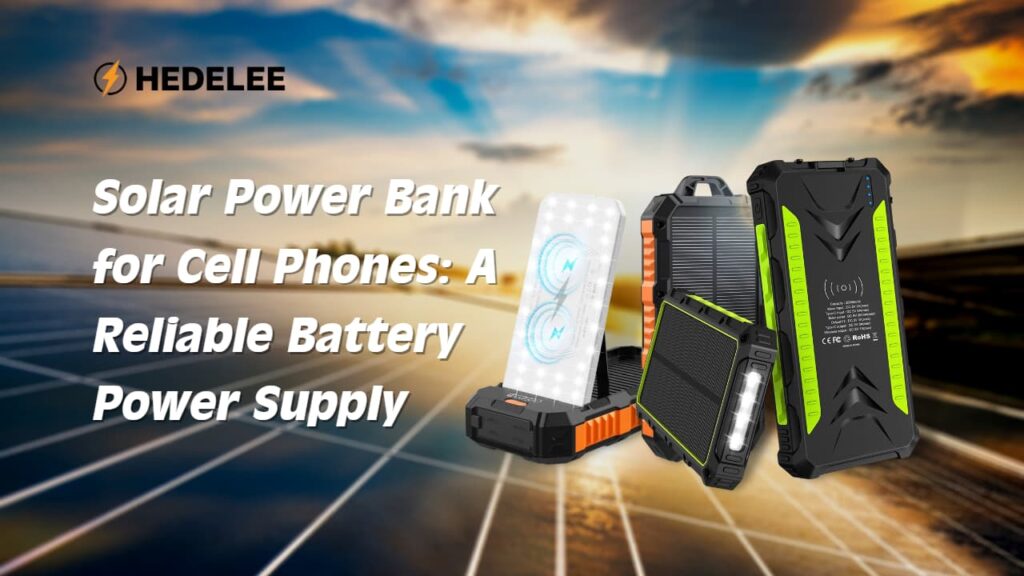
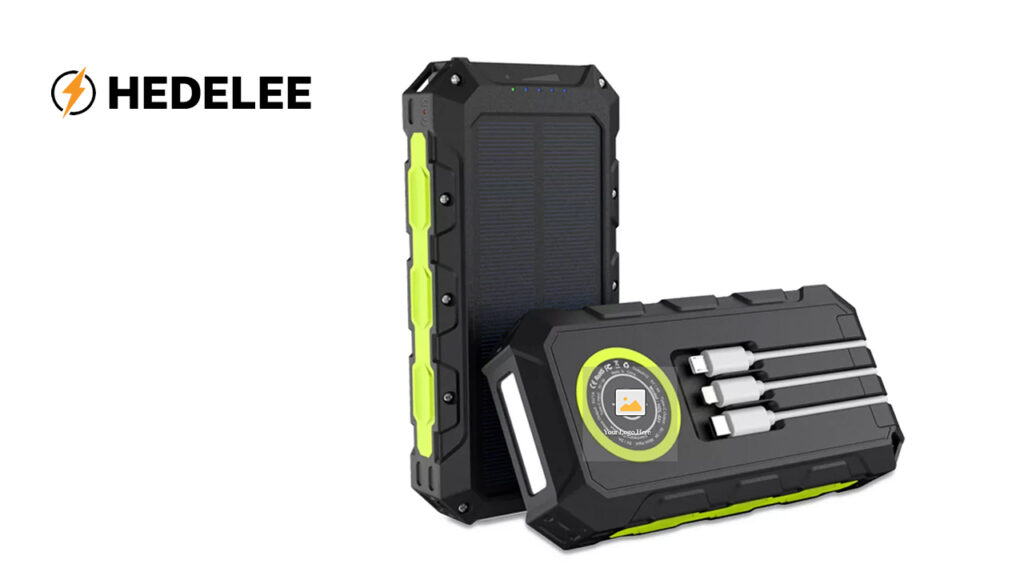
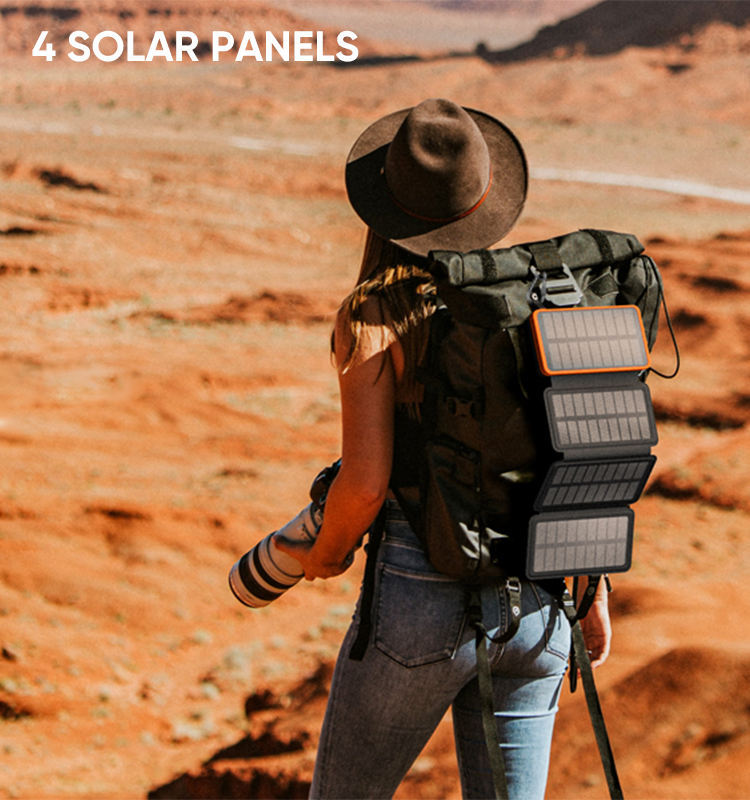
Solar panels integrated into power banks add renewable charging capability. When sourcing from manufacturers specializing in solar technology, you gain access to products that combine wireless charging with photovoltaic cells.
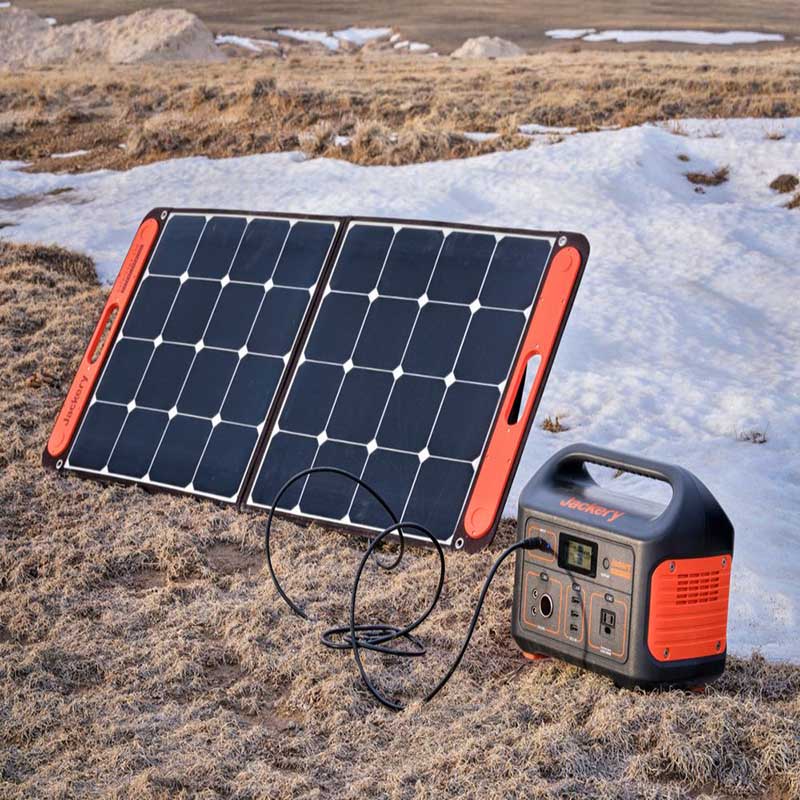
Solar charging works as a supplementary power source. While it won’t fully recharge a 20,000mAh battery in one afternoon, it extends runtime significantly during outdoor use. The panels capture energy from ambient light even on cloudy days.
This technology particularly benefits organizations with sustainability goals. Solar wireless power banks reduce grid electricity consumption and demonstrate environmental commitment to stakeholders.
Modern solar panels use monocrystalline cells for better efficiency in limited surface area. Conversion rates of 20-23% are standard in quality units. The panels fold or detach for compact storage when not needed.
Maintenance and Lifecycle Management
Proper care extends the useful life of wireless charging equipment and maintains performance standards.
Storage conditions: Keep unused units at 40-60% charge in cool, dry locations. Extreme temperatures degrade battery chemistry faster.
Regular cycling: Discharge and recharge power banks completely once every three months. This recalibrates the battery management system and maintains capacity accuracy.
Surface cleaning: Wipe charging pads weekly with slightly damp, lint-free cloths. Dust and debris interfere with charging efficiency.
Firmware updates: Some smart power banks receive firmware updates that improve charging algorithms. Check manufacturer websites for update availability.
Replacement planning: Lithium batteries lose capacity over 300-500 charge cycles. Plan equipment replacement on a 2-3 year rotation for optimal performance.
Cost Analysis for Volume Purchasing
Direct manufacturer relationships change the economics of wireless power bank procurement.
Small retail purchases cost $30-$80 per unit depending on capacity and features. Volume orders of 1,000+ units through manufacturers reduce per-unit costs by 40-60%. Customization adds 10-25% to base pricing but increases perceived value and brand recognition.
Calculate total cost of ownership including replacement rates, warranty coverage, and support costs. A premium power bank lasting three years costs less long-term than budget models requiring annual replacement.
Factor in reduced cable replacement expenses. Organizations typically spend $5-15 per cable with annual replacement for heavily-used equipment. Wireless charging eliminates these recurring costs.
Environmental and Safety Considerations
Wireless charging generates electromagnetic fields (EMF) within safe limits established by regulatory bodies. The power levels are far below those associated with health concerns. Quality manufacturers design products that exceed safety margins.
Battery disposal requires proper recycling procedures. Many manufacturers participate in take-back programs for end-of-life products. Ask about recycling services when establishing supplier relationships.
Fire safety protocols matter for lithium battery products. Look for units with multiple protection circuits and thermal management systems. Store power banks away from flammable materials and extreme heat sources.
Regulatory compliance varies by market. North American sales require FCC certification. European markets need CE marking. Asian markets often require additional country-specific approvals. Verify your manufacturer provides appropriate certifications for your operating regions.
Integration with Existing Infrastructure
Wireless power banks complement rather than replace existing charging infrastructure. Wall-mounted wireless chargers in offices and vehicles reduce power bank usage during stationary periods. Power banks provide backup when staff move between fixed charging locations.
Standardize on one wireless protocol across your organization. Qi compatibility provides the broadest device support. MagSafe offers specific benefits for iPhone-only environments but limits flexibility.
Consider cable management alongside wireless adoption. While wireless reduces cable needs, wired ports on quality power banks provide backup and fast-charging options that remain valuable.
Future-Proofing Your Wireless Bank Charger Investment
Wireless charging technology evolves steadily. Current trends point toward:
Higher wattage: 30W wireless charging appears in premium devices. Power banks supporting these speeds will launch as market adoption increases.
Longer-range charging: Research into magnetic resonance charging may enable power transfer across several centimeters rather than direct contact.
Reverse wireless charging: Some smartphones now charge other devices wirelessly. Power banks with bidirectional wireless capability could leverage this feature.
Smart charging: AI-powered charging management optimizes power distribution based on device types, battery health, and usage patterns.
When sourcing from manufacturers, discuss their product development roadmap. Suppliers investing in R&D stay competitive as technology advances.
Ready to Upgrade Your Portable Power Solutions?
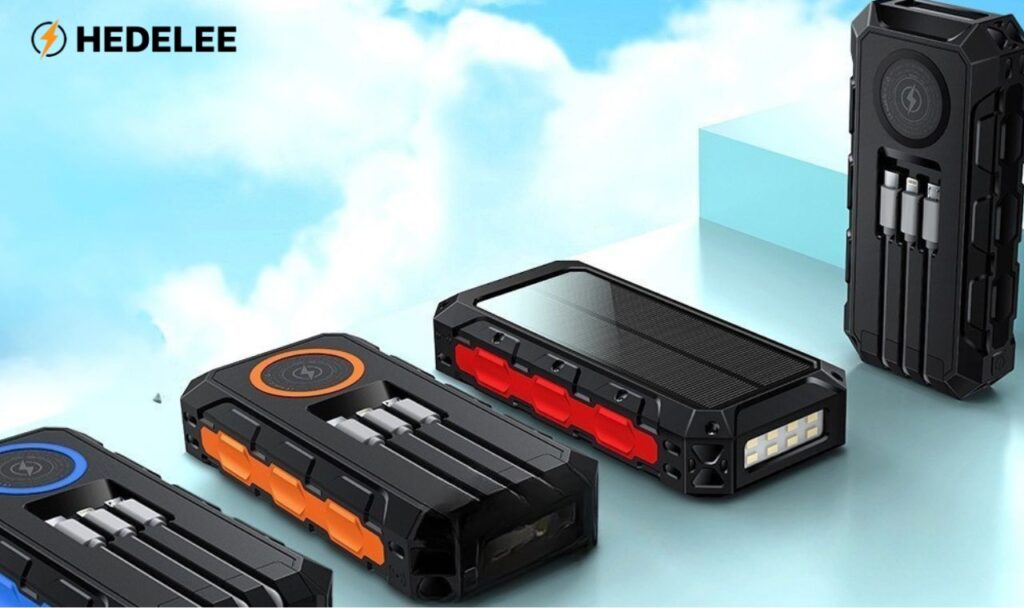
As a direct manufacturer of wireless charging technology, we understand the specific requirements of professional operations. Our solar-integrated wireless bank charger line combines portability, eco-friendly design, and reliable performance for demanding use cases.
We offer customization options, competitive volume pricing, and technical support throughout your purchasing process. Our engineering team works with procurement professionals to specify the right capacity, charging speeds, and features for your exact applications.
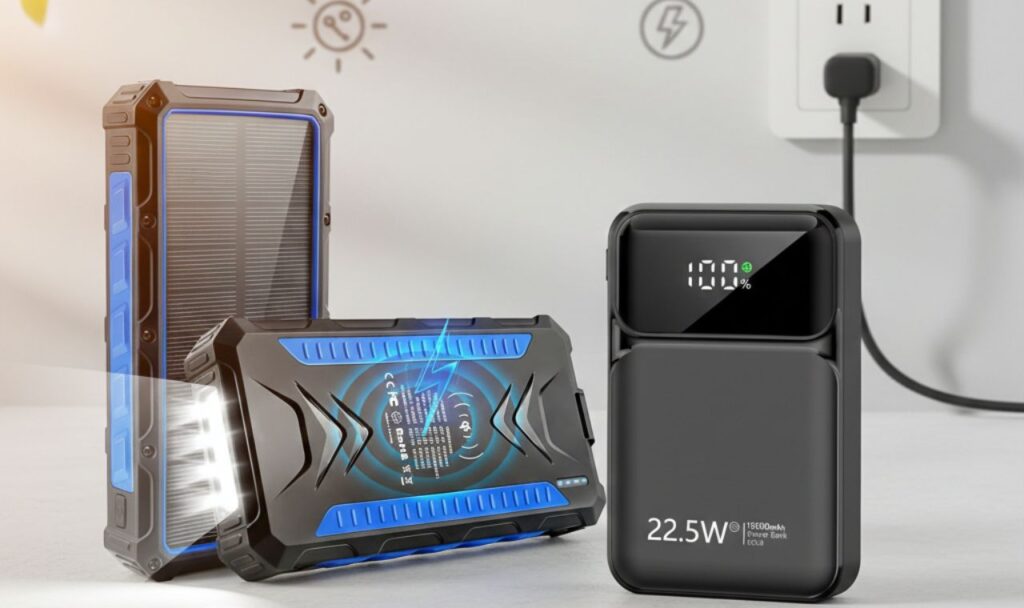
Visit our wireless power bank collection to explore current models, or review detailed specifications for our 10,000mAh wireless portable charger. For fast-charging requirements, our 22.5W super fast charging power bank delivers premium performance with LED display monitoring.
Organizations looking for magnetic attachment solutions can examine our magnetic power bank 10,000mAh model designed for secure device mounting during charging.
Contact our team to discuss minimum order quantities, customization possibilities, and volume pricing for your specific requirements. We’re ready to support your transition to efficient wireless charging technology.
FAQs
Q: What capacity wireless bank charger should we order for field teams working 8-10 hour shifts?
A: Field staff typically need 20,000mAh or higher capacity units for full-day coverage. This provides 4-6 smartphone charges. Remember that wireless charging uses 20-25% more capacity than wired, so size up from your current specifications.
Q: How does wireless charging efficiency affect total cost of ownership compared to wired solutions?
A: Wireless units cost 15-30% more upfront but eliminate cable replacement expenses ($5-15 per cable annually) and extend device port lifespan by 40-60%. For 50+ users, wireless solutions typically break even within 18-24 months.
Q: Can we customize wireless power banks with company branding for volume orders?
A: Most manufacturers offer private labeling starting at 500-1,000 unit MOQs. Customization includes logo placement, color selection, and packaging design. Custom housing molds require 2,000+ units and $2,000-$5,000 tooling costs. Request samples before full production.
Q: What certifications should we require when sourcing wireless bank chargers internationally?
A: Require FCC (North America), CE (Europe), RoHS (environmental), and UN38.3 (battery transport) certifications. UL or ETL listing adds independent safety verification. Request certificate copies with manufacturer name and product model clearly listed.
Q: How do MagSafe power banks compare to standard Qi wireless models for mixed device environments?
A: MagSafe works optimally with iPhone 12+ but costs 20-35% more and lacks Android compatibility. Standard Qi models offer better value through universal compatibility. Reserve MagSafe for iPhone-only operations; use Qi for mixed environments.