

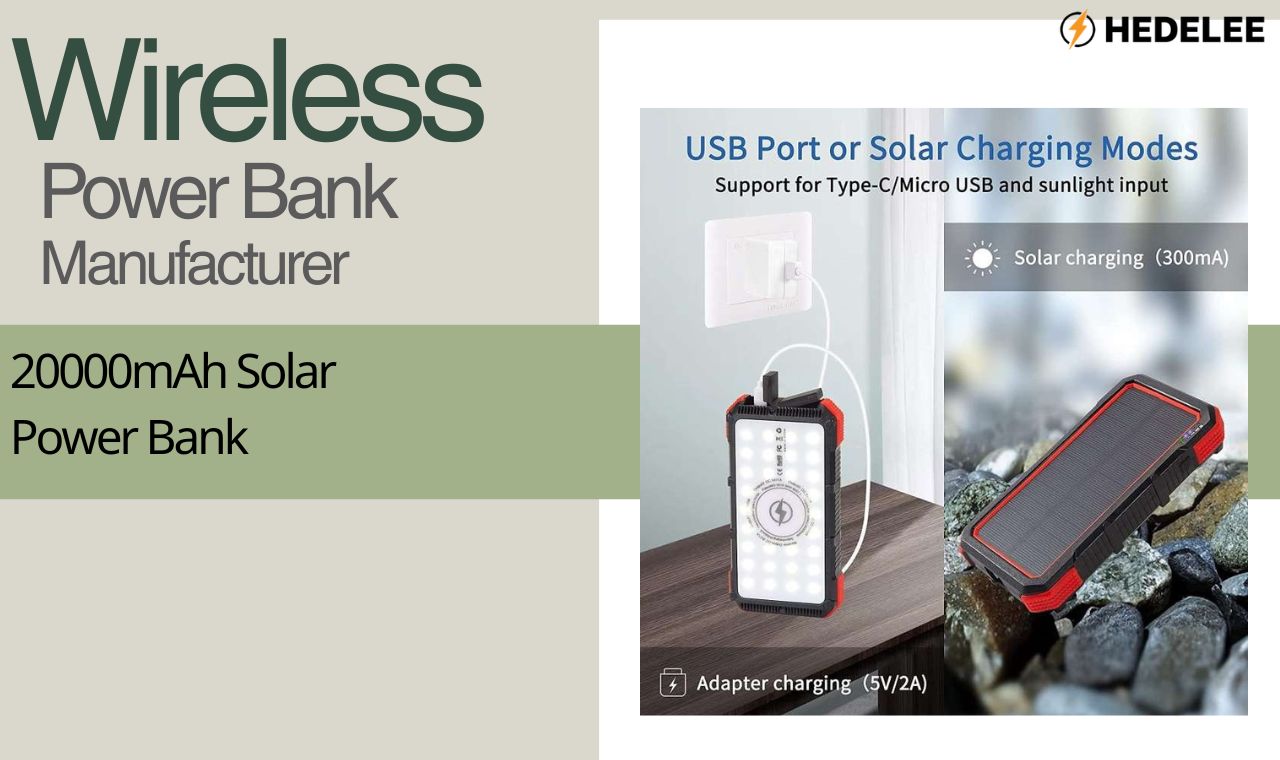
When a device dies in the middle of a remote job site, a multi-day camping run, or a regional distribution tour, a standard wall-charged power bank simply isn’t enough. You need a unit that recharges itself when outlets are scarce — and keeps your phones, tablets, and emergency lights running for days, not hours.
A well-specified 20000mAh solar power bank answers that need directly. With 20,000mAh of capacity, solar recharging as a backup source, LED lighting for emergencies, and fast charging protocols for modern devices, these units have moved well beyond the “niche outdoor gadget” category. They’re now a consistent item in procurement lists for distributors, importers, and product managers serving outdoor, travel, logistics, and emergency-preparedness markets.
This guide walks through what makes a 20000mAh solar power bank worth buying at volume, which features actually matter, how to compare specifications, and what to ask your supplier before placing an order.
What Does 20000mAh Actually Mean for Real-World Use?
Capacity numbers are often misunderstood. The “mAh” (milliampere-hour) rating refers to the theoretical energy stored — but in practice, conversion losses reduce the usable output to around 60–70% of the rated capacity for most lithium-ion units.
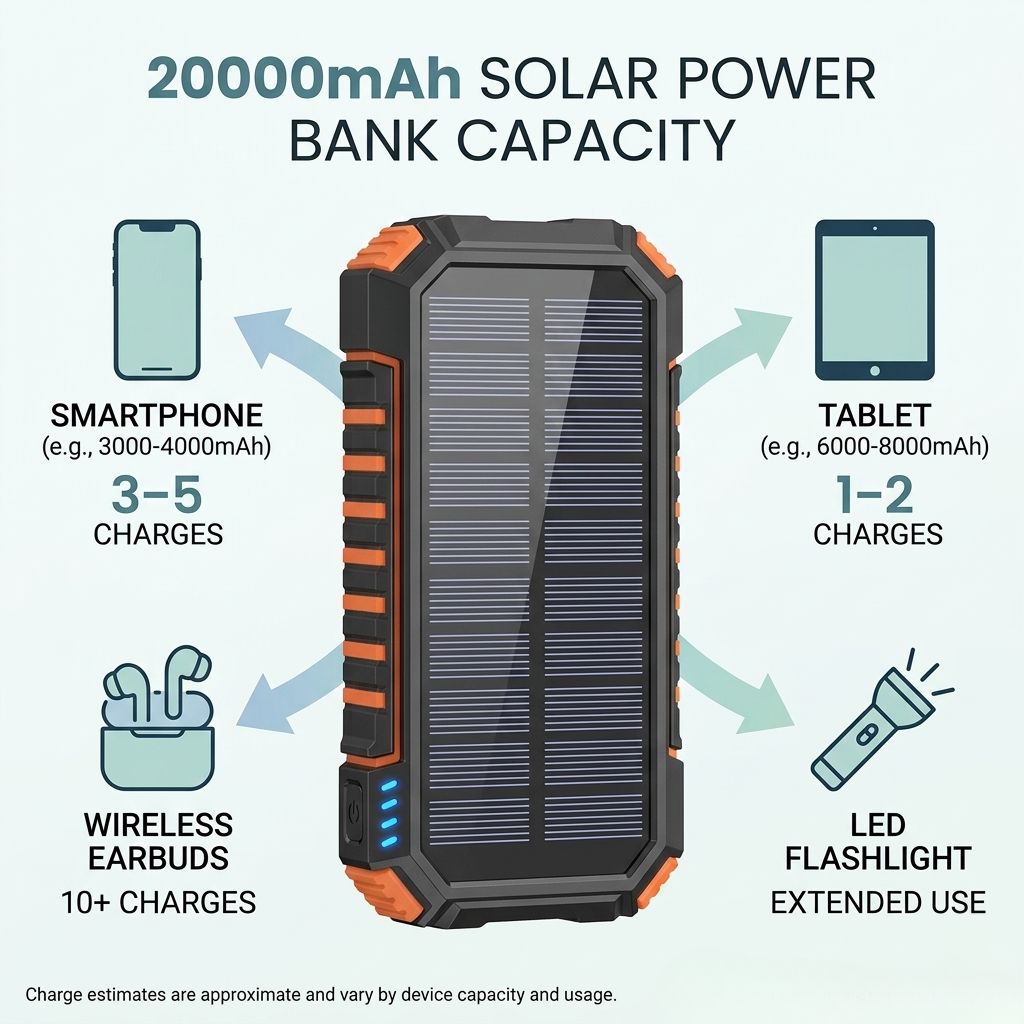
That said, a genuine 20000mAh solar power bank still delivers substantial real-world performance:
-
Smartphones (3,000–5,000mAh): 3–5 full charges depending on the device
-
Tablets (7,000–10,000mAh): 1.5–2 full charges
-
Wireless earbuds / wearables: 8–15 top-ups
-
LED flashlights: Several hours of continuous operation
For procurement teams evaluating products destined for multi-day outdoor kits, emergency response packs, or travel retail, 20,000mAh sits in a practical sweet spot: high enough to cover real-world multi-device scenarios, compact enough to remain portable.
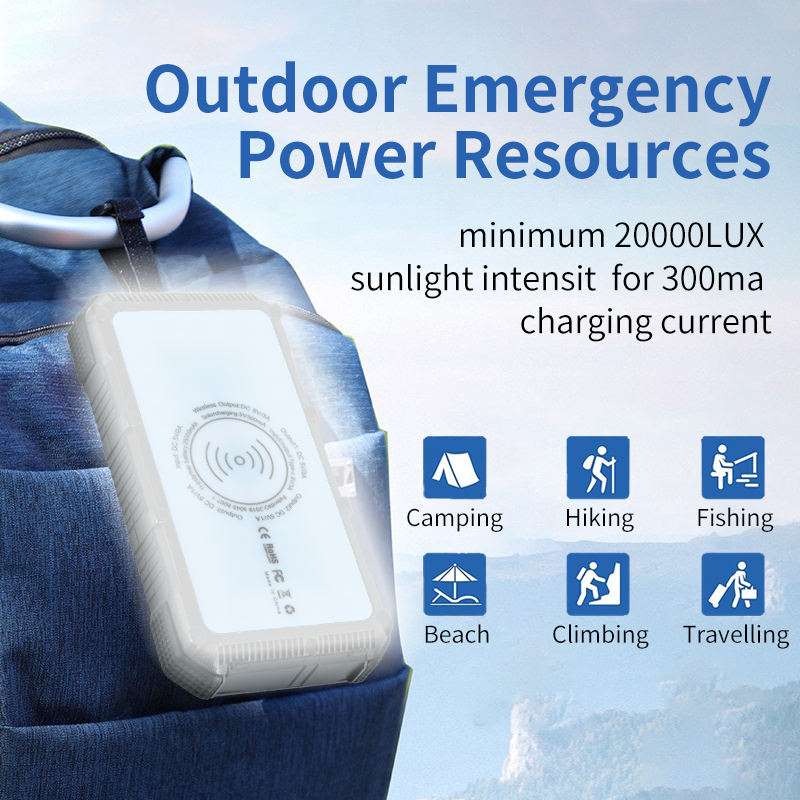
The solar panel on these units is best framed as a recovery and backup tool — not a primary charging source. Under ideal direct sunlight, a built-in solar panel on a unit this size will typically add 200–400mAh per hour. That’s enough to trickle-charge over a full day outdoors, extending the effective battery life significantly when wall access isn’t available.
Not all 20000mAh solar power banks are built to the same standard. When evaluating models for bulk procurement or catalog inclusion, focus on these specifications rather than marketing copy alone.
Charging Input: What Matters More Than the Solar Panel
The solar panel is a differentiating feature, but USB input speed determines day-to-day usability. Look for:
-
USB-C PD (Power Delivery) input at 18W or higher — this allows a full 20,000mAh unit to recharge in approximately 5–6 hours via wall adapter
-
Micro-USB input as secondary — useful for compatibility with legacy cables in field environments
-
Dual input support — some units allow simultaneous solar + USB charging, which noticeably shortens total recharge time
If a unit only offers 5V/2A (10W) input, it will take 10+ hours to fully recharge. For most professional use cases, that’s a practical limitation worth flagging.
Output Ports: Supporting Multiple Devices Simultaneously
A capable fast charging solar power bank should support at least two output ports with different protocols:
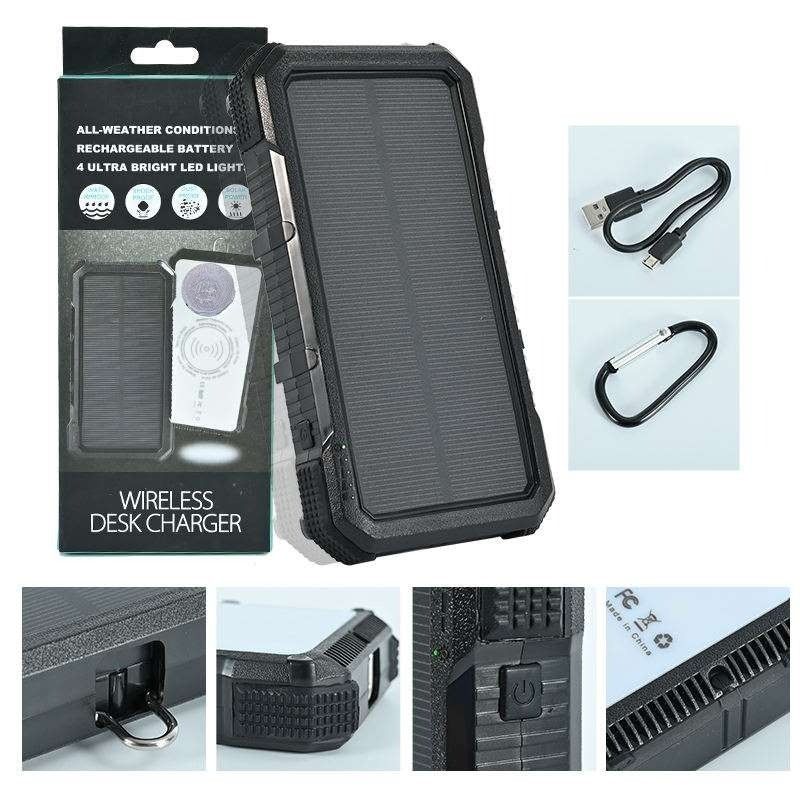
Wireless charging is an increasingly expected feature in this category — particularly for distributors serving retail markets where consumers prefer cable-free operation. Models like the HDL-218 wireless solar power bank from Hedelee combine dual USB outputs, Qi wireless charging, dual inputs, and a flashlight in a single unit — reducing the need for buyers to stock separate accessories.
LED Light: Emergency Utility or Just a Feature Checkbox?
A well-integrated LED on a portable solar power bank with flashlight should offer:
-
At least two brightness modes (standard + high)
-
SOS strobe mode for emergency signaling
-
Wide-angle or flood beam (useful in camp/field settings) vs. focused beam (useful for navigation)
The LED doubles as a practical selling point in emergency preparedness markets, making the unit more versatile and justifying the product at a higher price tier.
Waterproofing and Durability Ratings
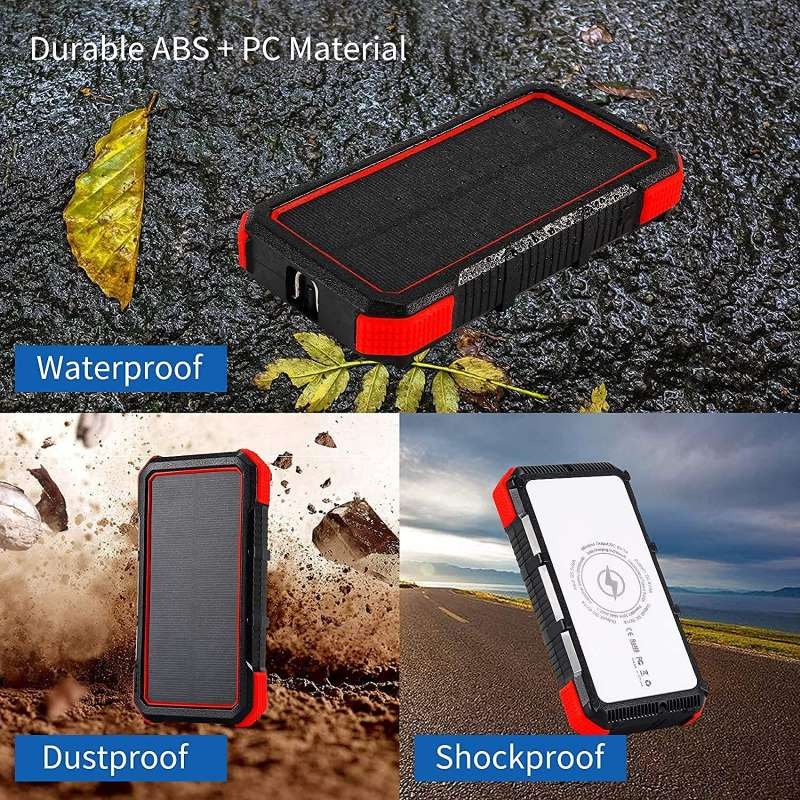
For outdoor-focused products, IP ratings are non-negotiable. Here’s a quick reference:
The waterproof 20000mAh solar power bank from Hedelee is built for buyers who need verified weather resistance — a key spec for outdoor retail and emergency equipment distributors.
How the Foldable Solar Panel Design
Fixed Panel vs. Foldable Panel Design
Standard solar power banks usually have one fixed solar panel built directly into the housing. This design is compact, durable, and easy to carry. However, the limited panel surface area also limits how much sunlight the power bank can collect.
Larger Solar Charging Area
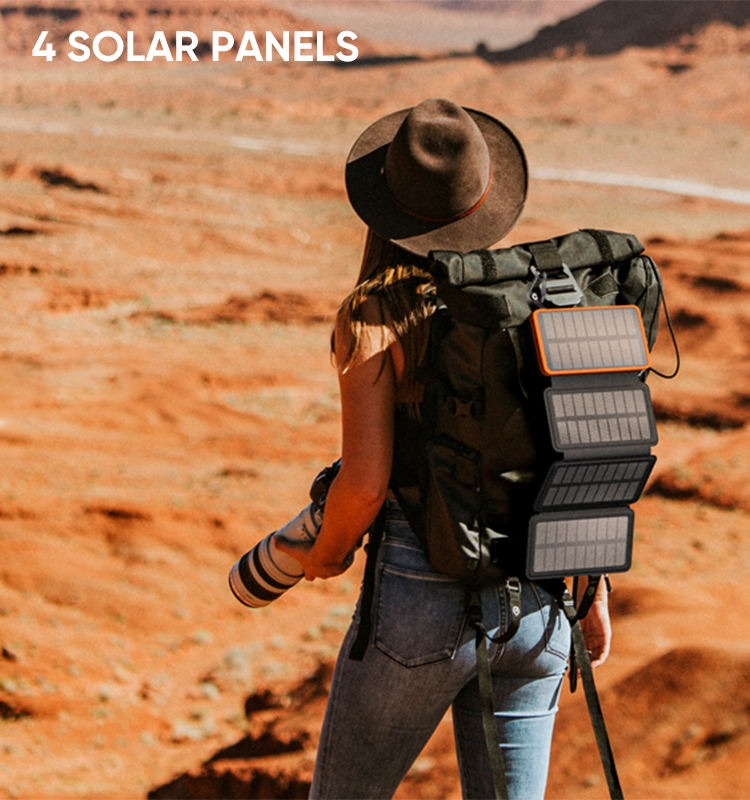
Foldable solar power banks use a multi-panel accordion-style design. When unfolded, the device can expose 2–4 times more solar panel area than a fixed-panel model. This larger surface area helps improve solar input under direct sunlight.
Faster Solar Input Performance
Because foldable models collect more sunlight, they usually charge faster than standard fixed-panel solar power banks. Under direct sun, a foldable solar power bank may reach around 400–800mAh per hour, while a fixed-panel model may only produce about 200–400mAh per hour.
Better Sunlight Positioning
Another advantage of the foldable design is flexible angle adjustment. Users can open the panels and position them toward the sun to improve charging performance. This is especially useful during camping, hiking, fieldwork, or long outdoor travel.
Best Use for Outdoor Buyers
For buyers sourcing products for distributors or retailers targeting serious outdoor users — such as hikers, field workers, campers, and overlanders — an outdoor foldable solar charger model is worth stocking alongside the compact fixed-panel version. It offers better solar charging performance while still remaining portable enough for most outdoor packs.
Hedelee’s foldable fast charging 20000mAh solar power bank combines the extended foldable panel with fast charging output and LED lighting — a configuration that’s difficult to find from a single source at factory-direct pricing.
For importers and procurement teams, certifications aren’t optional — they’re a compliance requirement for most retail channels and regulatory jurisdictions.
A properly certified 20000mah solar charger should carry:
-
CE — required for the European Economic Area
-
FCC — required for the United States market
-
RoHS — restricts hazardous substances in electronics
-
UN 38.3 — the internationally recognized standard for lithium battery transport safety
UN 38.3 is particularly important for procurement teams managing cross-border shipping. Lithium batteries that don’t meet this standard can be refused by freight carriers or detained at customs. Always request documentation for this test from any supplier.
Additional safety features to confirm in the product spec:
-
Overcharge protection — stops charging once the device battery is full
-
Over-discharge protection — prevents deep discharge that degrades battery life
-
Short-circuit protection
-
Temperature monitoring
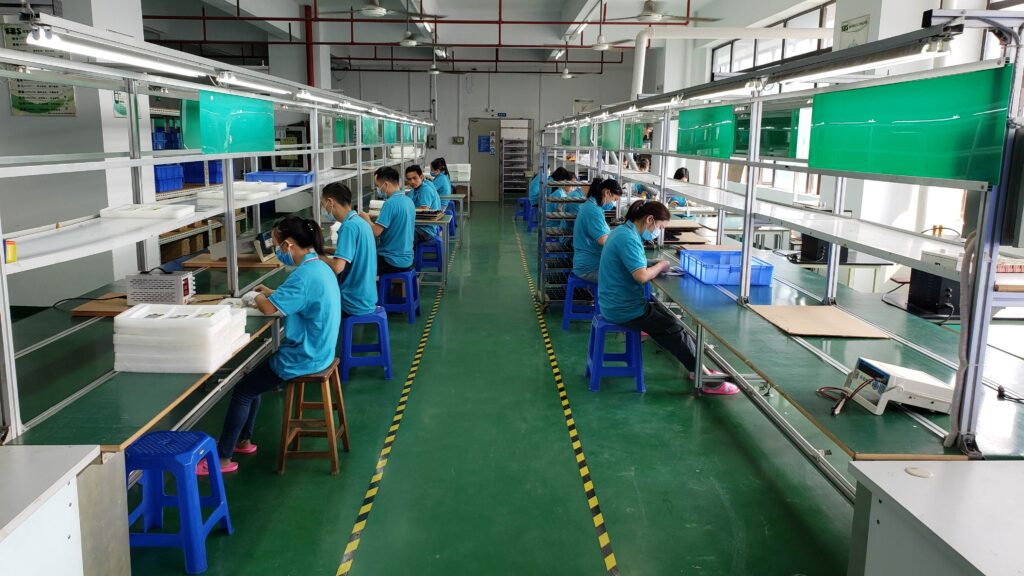
Quality control at the production stage — not just at the finished-goods level — is what separates reliable long-run products from those that generate after-sales problems. Hedelee’s Dongguan factory maintains a monthly production capacity of 50,000 units, with in-line QC checks across the manufacturing process.
How to Choose the Right 20000mAh Solar Power Bank for Your Market
Different distribution markets have different priorities. This is where category selection gets practical.
Outdoor and Adventure Retail
Buyers for this channel should prioritize:
-
IP65 or higher waterproofing
-
Foldable or high-efficiency solar panel
-
SOS LED functionality
-
Carabiner loop or rugged casing
Emergency Preparedness and Survival Kits
For this use case, focus on:
-
Large-capacity wireless + wired output
-
LED flashlight with strobe/SOS
-
Long shelf life (low self-discharge rate)
-
Dual input (solar + USB-C) for maximum recharge flexibility
Travel and Consumer Electronics Retail
This audience wants:
-
Compact form factor with fixed solar panel
-
Wireless Qi charging for cable-free convenience
-
USB-C PD fast charging
-
Clean design with LED indicator display
Corporate and Field Operations
Procurement for field teams — survey crews, logistics, construction — typically requires:
-
Durable housing (rubberized or ABS shell)
-
Multi-device simultaneous charging
-
Verified certifications for international use
-
Consistent unit specs across bulk orders
You can browse the full range of solar power bank models available for wholesale and distribution to match the right unit to each use case.
Ordering at Scale: What Importers and Distributors Need to Know
Sourcing a waterproof solar power bank or any solar accessory at volume involves more than comparing unit prices. Here’s what to clarify before finalizing any order.
Minimum Order Quantities and Lead Times
Most factory-level MOQs for solar power banks in the 20000mAh range start at 500–1,000 units per SKU. Custom branding (logo printing, packaging design) may increase the MOQ. Standard lead times from order confirmation to shipment typically run 25–45 days, depending on order volume and customization scope.
OEM and Custom Branding Options
For distributors building their own product lines, OEM customization generally covers:
-
Logo printing or laser engraving on the housing
-
Custom retail packaging (box design, inserts)
-
Color variations in the casing
-
Private-label documentation and manuals
Hedelee supports OEM orders as a direct manufacturer — which means there’s no intermediary markup between the factory and the buyer.
Packaging and Shipping Considerations
Lithium battery products require specific documentation for air and sea freight, including UN 38.3 test reports and MSDS (Material Safety Data Sheet). Experienced manufacturers will have these on file and can provide them on request, reducing customs delays and carrier rejections.
Always confirm:
-
Whether the unit ships with or without battery charge (many carriers require ≤30% charge for air freight)
-
Country of origin documentation for customs clearance
-
Whether the supplier can provide MSDS and UN 38.3 reports upon request
The Global Solar Power Bank Market: A Snapshot for Buyers
Understanding where this category is heading helps procurement teams make better sourcing decisions.
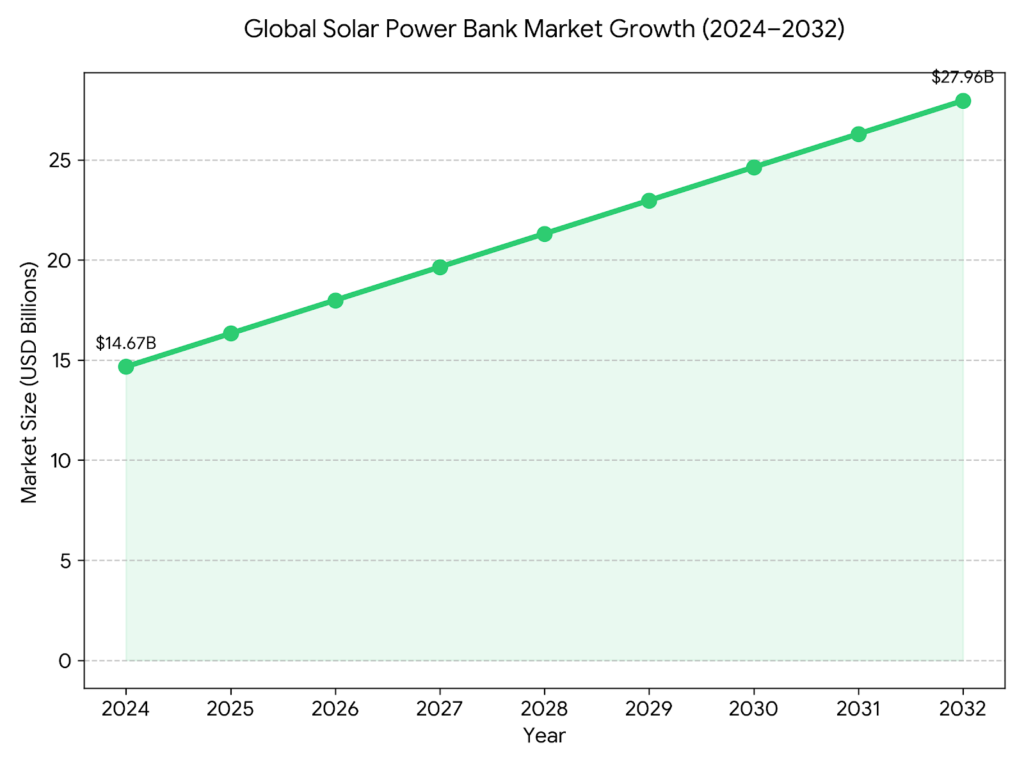
The global solar power bank market was valued at approximately USD 14.67 billion in 2024 and is projected to reach USD 27.96 billion by 2032, growing at a CAGR of 8.4%. That’s not a niche market — that’s a category with sustained, multi-year momentum.
Key growth drivers include:
-
Rising adoption of smartphones and multi-device lifestyles globally
-
Growing demand for renewable and eco-friendly energy accessories
-
Increasing interest in outdoor recreation, emergency preparedness, and off-grid living
-
Government initiatives in multiple regions supporting green energy product categories
Fast-charging variants and wireless charging models have seen particularly strong sales growth, with demand peaking in mid-year months (June–July) when outdoor activity is at its highest. For importers planning seasonal stock, this means ordering windows in Q1 are key for arriving in-market before peak demand.
Why Work Directly With the Manufacturer?
There’s a meaningful difference between sourcing through trading companies and working directly with the factory that builds the product.
When you work with Shenzhen Hedeli Technology Co., Ltd. (Hedelee), you’re dealing with the original manufacturer — a company with nearly a decade of experience in mobile accessories and consumer electronics, a production facility in Dongguan with 50,000 units/month capacity, and a team of more than 100 people managing design, production, and quality.
The practical advantages for buyers:
-
Price accuracy: No distributor margin layered on top of factory cost
-
Spec flexibility: Direct conversation with the team that can actually change the product
-
QC visibility: Ability to arrange factory audits and pre-shipment inspection
-
Documentation readiness: CE, FCC, RoHS, and UN 38.3 certification support available
-
Consistency: Repeat orders match the approved sample, because the same factory runs every batch
Whether you’re sourcing a compact wireless solar power bank for consumer retail or a ruggedized waterproof solar power bank for field distribution, direct factory sourcing removes the uncertainty that comes with multi-layer supply chains.
If you’re evaluating the Hedelee range for your next order, reaching out directly through solarpowerbank.cn connects you with the team that can provide samples, specifications, and production timelines — without middlemen or markup.
Frequently Asked Questions
1. What is the minimum order quantity for a 20000mAh solar power bank?
MOQs vary by model and customization level. Standard configurations typically start at 500–1,000 units per SKU. Custom branding or packaging adjustments may affect the minimum. Reach out to request a product-specific MOQ and pricing sheet.
2. Can the solar power bank be customized with our brand logo?
Yes. OEM options include logo printing or engraving on the unit housing, custom retail box design, and private-label documentation. Contact the Hedelee team directly to discuss artwork requirements and timeline for your OEM order.
3. What certifications does the 20000mAh solar charger carry?
Hedelee’s solar power bank models carry CE, FCC, and RoHS certifications, and UN 38.3 test reports are available for lithium battery compliance during international freight. Documentation can be provided upon request for customs and compliance review.
4. How long does production and shipping take after order confirmation?
Standard production lead times run approximately 25–45 days depending on order volume and customization scope. Hedelee’s Dongguan factory runs at 50,000 units/month capacity, so larger orders can be accommodated without extended delays. Reach out to confirm availability for your target delivery window.
5. Are samples available before placing a bulk order?
Yes, product samples are available. Sample lead times are typically shorter than full production runs and can include the specific model and configuration you’re evaluating. Contact Hedelee to request sample pricing and shipping details.